✦   ॐ നമഃ ശിവായ   ✦   KERALA TEMPLE GUIDE   ✦   ക്ഷേത്രം · ആചാരം · ജ്ഞാനം · ഭക്തി   ✦

പൊരുളറിഞ്ഞ് വേണം തീർത്ഥാടനം

KNOW THE MEANING BEFORE YOU WALK THE PATH


കേരളത്തിലെ ക്ഷേത്രങ്ങളിലെ ആചാരങ്ങൾ, ഐതിഹ്യങ്ങൾ, വഴിപാടുകൾ, തന്ത്രശാസ്ത്രം, ക്ഷേത്രകലകൾ എന്നിവ ആഴത്തിൽ മനസ്സിലാക്കി തീർത്ഥാടനം സാർത്ഥകമാക്കുക. The most comprehensive guide to Kerala temple customs, rituals, offerings, legends and pilgrimage — explained with meaning, science and devotion.

TEMPLE RITUALS KERALA CUSTOMS TEMPLE OFFERINGS LEGENDS & MYTHS PILGRIMAGE GUIDE TEMPLE ARTS TANTRA SHASTRA TEMPLE TOURISM
പ്രസിദ്ധ ക്ഷേത്രങ്ങൾ → ആചാരങ്ങൾ →
✦ ॐ ✦

Kerala Temple Guide — കേരള ക്ഷേത്ര ഗൈഡ്

ആചാരം · ഐതിഹ്യം · വഴിപാട് · തീർത്ഥാടനം

keralatempleguide.com കേരളത്തിലെ ക്ഷേത്രങ്ങൾ സന്ദർശിക്കുന്ന ഏതൊരു വ്യക്തിക്കും ഉപകാരപ്പെടുന്ന നിരവധി അറിവുകൾ ഉൾപ്പെടുത്തിയ സമഗ്ര തീർത്ഥാടന-ആചരണ സഹായിയാണ്. സാധാരണഗതിയിൽ ഇന്റർനെറ്റിൽ ലഭ്യമാകുന്ന ക്ഷേത്ര വിവരങ്ങൾ ലൊക്കേഷനിലും ദർശനസമയത്തിലും ഒതുങ്ങിനിൽക്കുമ്പോൾ, ആചാരങ്ങളുടെ പൊരുളും, വിശ്വാസങ്ങൾക്ക് പിന്നിലെ ശാസ്ത്രീയ വശങ്ങളും, തീർത്ഥാടകർക്ക് ആവശ്യമായ പ്രായോഗിക അറിവുകളും സമന്വയിപ്പിക്കുന്ന വെബ്സൈറ്റാണിത്.

Every Kerala temple is a living cosmos — an architecture of tantra, vastu, Ayurveda, ritual music, sacred legends and millennia of lived devotion. Our mission is to decode this sacred world so every pilgrim, researcher, tourist and devotee can engage with these temples not just as visitors, but as knowing participants.

ക്ഷേത്രങ്ങളിലെ ഓരോ ആചാരവും വഴിപാടും വിലക്കുകളും ഏത് സങ്കല്പങ്ങൾ പ്രകാരം ചിട്ടപ്പെടുത്തിയിരിക്കുന്നു, ഏത് രീതിയിൽ അനുവർത്തിച്ചാൽ പൂർണ്ണ ഫലം ലഭിക്കും, ഓരോ ഉത്സവകാലവും ഒരു ഭക്തന് അനുഭൂതിദായകമാകുന്നതെങ്ങനെ — ഇത്തരം ചോദ്യങ്ങൾക്ക് ആഴമുള്ള ഉത്തരങ്ങൾ ഇവിടെ ലഭ്യമാണ്.

Whether you seek guidance on Kerala temple dress code, the meaning behind pradakshina (circumambulation), the science of theertham (holy water), the legend behind a specific deity, or the schedule of a Kerala temple festival — this is your trusted companion for a meaningful pilgrimage.

ക്ഷേത്രസന്ദർശനം ഇന്ന് കേവലം ആത്മീയ ആഗ്രഹം മാത്രമല്ല — ഓരോ ക്ഷേത്രവും അതിന്റെ വാസ്തുവിദ്യ, പ്രകൃതിസൗന്ദര്യം, ക്ഷേത്ര കലകൾ, ഐതിഹ്യങ്ങൾ — ഇവ ഒക്കെ ചേർന്ന് ഒരു അനുഭൂതിദായകമായ ഇടം ആണ്. ഈ ഇടത്തെ പൂർണ്ണമായി ഉൾക്കൊള്ളാൻ keralatempleguide.com കൂടെ ഉണ്ട്.

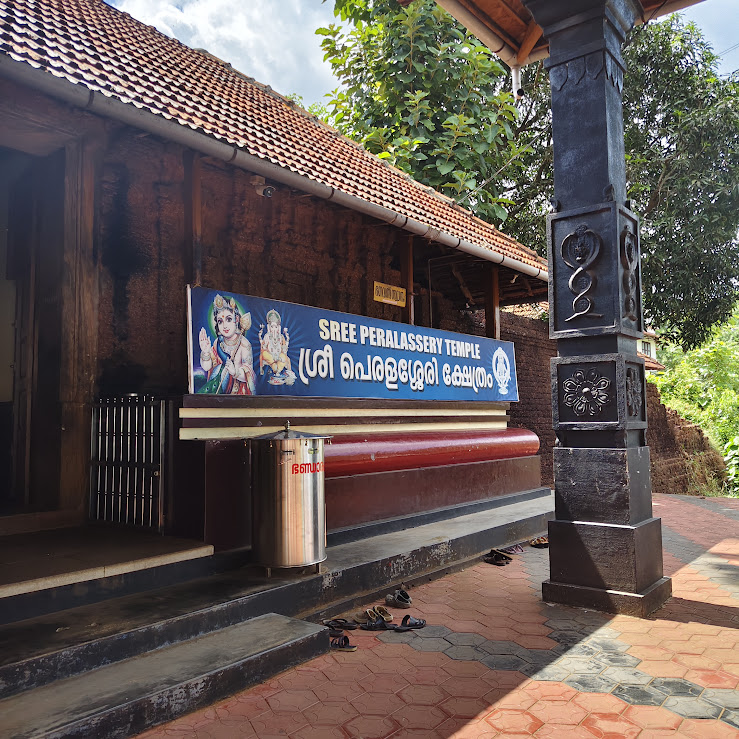
പെരളശ്ശേരി ക്ഷേത്രം, കണ്ണൂർ — Peralassery temple, Kannur

പെരളശ്ശേരി ക്ഷേത്രം, കണ്ണൂർ — Peralassery temple, Kannur

The sacred kavu (grove) attached to many Kerala temples is one of the oldest forms of biodiversity conservation in the world — a forest protected by the deity's presence for thousands of years, sheltering endemic medicinal herbs, birds, and ancient trees.

കേരളത്തിലെ കാവുകൾ ലോകത്തിലെ ഏറ്റവും പഴക്കമുള്ള ജൈവ സംരക്ഷണ മാതൃകകളിൽ ഒന്നാണ്.

"Temple pilgrimage is not mere travel — it is a dialogue between the mortal and the eternal, between desire and dissolution, between the seeker and the Sought." മുമ്പേ ഗമിക്കുന്നവർ അനുവർത്തിച്ചത് അതേ പോലെ അനുകരിക്കുന്നതല്ല — അർഥം അറിഞ്ഞ് ഒരോ ചുവടും വയ്ക്കുകയാണ് — യഥാർത്ഥ ഭക്തി.
✦ ॐ ✦

1. Kerala Temple Architecture — The Living Body of the Divine

ക്ഷേത്ര രൂപകല്പനയിലെ ജൈവ-ഊർജ്ജ (Bio-Energy) രഹസ്യങ്ങൾ

തന്ത്രശാസ്ത്രമനുസരിച്ച് ഒരു ക്ഷേത്രം ജീവനുള്ള മനുഷ്യശരീരത്തിന്റെ പ്രതീകമാണ്. "പ്രാസാദം പുരുഷം മത്വാ…" എന്ന പ്രമാണമനുസരിച്ച്, ഓരോ ഘടനാ ഘടകവും ശരീരത്തിലെ ഒരോ അവയവത്തോട് ബന്ധിപ്പിച്ചിരിക്കുന്നു — ക്ഷേത്രം ഒരു ജീവനുള്ള ഊർജ്ജ ജീവിയായി മാറുന്നു. Every structural element of a Kerala temple is an engineered energy system rooted in ancient tantric spatial science.

🧠

Garbhagriha — The Sanctum

ഗർഭഗൃഹം (തല)

Representing the brain and consciousness, the innermost shrine concentrates maximum cosmic energy. Its deliberately low ceiling, restricted light and enclosed stone space are engineered to induce heightened focus and receptivity in the devotee. The idol placed here is not a statue — it is the jeevan (life-force) within the body of the temple. ഏറ്റവും കൂടുതൽ ഊർജ്ജം കേന്ദ്രീകരിച്ചിരിക്കുന്ന ഈ ഭാഗം ഭക്തന്റെ മനസ്സിനെ ശാന്തമാക്കാൻ സഹായിക്കുന്നു.

Read More →
🪐

Dhwajastambha — Cosmic Antenna

ധ്വജസ്തംഭം (നട്ടെല്ല്)

The flag-post (kodimaram) functions like the human spine — channelling cosmic prana downward into the idol. Its metallic composition and precise height are calculated per tantric geometry to act as an antenna, receiving universal frequencies and amplifying the sanctity of the space. ക്ഷേത്രമുറ്റത്ത് ഭക്തർക്ക് അനുഭവപ്പെടുന്ന പ്രത്യേക ഊർജ്ജത്തിന് പിന്നിലെ രഹസ്യം ഇതാണ്.

Read More →
🏛️

Temple Walls & Pradakshina

ക്ഷേത്ര മതിലുകൾ (ശരീര കവചം)

The enclosure walls preserve the energy emanating from the consecrated idol — much as skin protects internal organs. The circumambulation path (pradakshina) follows the clockwise direction of the sun, aligning the devotee's bio-energy with the temple's positive field. ചർമ്മം ആന്തരിക അവയവങ്ങളെ സംരക്ഷിക്കുന്നതു പോലെ ക്ഷേത്ര മതിലുകൾ ഊർജ്ജം കാത്തുസൂക്ഷിക്കുന്നു.

Read More →
🔥

Panchaloha Idol & Sacred Air

പഞ്ചലോഹ വിഗ്രഹം — ശുദ്ധ അന്തരീക്ഷം

Idols crafted from panchaloha (five sacred metals in prescribed ratios) emit trace ionic compounds through daily abhishekam rituals. Combined with ghee lamps, camphor, sandalwood incense and tulsi-infused theertham, the temple atmosphere is a verifiable aromatherapy and ionotherapy chamber — naturally purifying airways and calming the nervous system of every devotee who enters.

Read More →
🌿

Sacred Groves (Kavu)

കാവുകൾ — ജൈവ വൈവിധ്യ ഭൂമി

Many Kerala temples are surrounded by sarpa kavu (serpent groves) or sacred forest pockets undisturbed for centuries — among the world's oldest in-situ biodiversity reserves, sheltering rare medicinal herbs, endemic birds and ancient trees. The deity's protective aura was, in effect, an ecological law long before modern conservation science existed. ദേവതയുടെ കാവൽ ഒരു ആദ്യകാല പ്രകൃതി സംരക്ഷണ നിയമമായിരുന്നു.

Read More →
🎵

Sopanam & Sacred Acoustics

സോപാനസംഗീതം — നാദബ്രഹ്മം

Sopanam, Kerala's classical temple music tradition, uses ragas that produce healing sound vibrations. The resonance of chenda, maddalam, ilathalam inside temple architecture is intentional — the curved Kerala temple roof acts as a parabolic reflector, focusing sacred sound frequencies toward the sanctum. ശബ്ദം ദൈവത്തിലേക്ക് എത്തിക്കുന്ന ആരാധനാ ക്രമം — നാദ ബ്രഹ്മം.

Read More →
✦ ॐ ✦

2. Kerala Temple Offerings (Vazhipadu) — Beyond Ritual, Into Science

വഴിപാടുകൾ: ഊർജ്ജ വിനിമയ പ്രക്രിയ — ഒരു ശാസ്ത്രീയ-ആത്മീയ പരിശോധന

In Kerala temple tradition, vazhipadu (votive offerings) are not transactions with the divine — they are energy exchange processes that engage body, mind and spirit simultaneously. Each offering carries a distinct psycho-physiological significance rooted in Tantra and Ayurveda. ഓരോ വഴിപാടിന് പിന്നിലും മനഃശാസ്ത്രപരവും, ആരോഗ്യപരവും, ഭൗതികശാസ്ത്രപരവുമായ പ്രത്യേകതകൾ ഉണ്ട്.

Offering / വഴിപാട് Deity / Occasion Deep Significance Scientific / Psychological Angle
നെയ്യ് വിളക്ക് / Neyyvilakku
(Ghee Lamp)
All deities; Devi temples Light is consciousness (Jyoti = Brahman). Lighting a lamp is inviting the divine into one's inner darkness. Ghee is the carrier of prana — the vital force bridging human and divine. ദൈവചൈതന്യം ഉള്ളിലേക്ക് ആവഹിക്കുന്ന ക്രിയ. Ghee combustion releases butyric acid vapors with anti-bacterial properties. The warm amber light (~2700K wavelength) of a ghee lamp is proven to stimulate melatonin regulation and promote calm focus in the nervous system.
അഭിഷേകം / Abhishekam
(Sacred Bathing)
Shiva, Vishnu, Devi Water poured over the deity symbolises ego dissolution — the individual drop merging into the cosmic ocean. Each substance (milk, honey, coconut water, turmeric water) corresponds to a specific cosmic element and deity attribute. അഹന്തയെ ദ്രവ്യത്തോടൊപ്പം ഒഴുക്കി വിടുന്ന ഭക്തിക്രിയ. The panchaloha idol releases ionic traces of copper and silver into abhishekam water, creating naturally antimicrobial theertham. This is Ayurvedic preventive medicine embedded in ritual — distributed daily at scale across Kerala's temples.
ചന്ദനം ചാർത്തൽ / Chandanam
(Sandalwood Paste)
Vishnu, Krishna, Shiva Chandanam is the embodiment of coolness and purity in Vedic tradition. Applying it to the deity cools the fiery energy of powerful deities, making their divine radiation more accessible for devotees. ദൈവ ഊർജ്ജം ഭക്തർക്ക് ഗ്രഹിക്കാൻ അനുകൂലമാക്കുന്ന ക്രിയ. Sandalwood contains santalol — clinically proven to reduce anxiety, lower cortisol and induce alpha brain waves (meditative state). The aromatherapy effect of chandanam in an enclosed sanctum produces measurable neurological calming.
തുലാഭാരം / Tulabharam
(Weight Offering)
Guruvayurappan, Vishnu The devotee is weighed against grains, jaggery or flowers — a physical enactment of saranagati (total surrender). "ഞാൻ" എന്ന അഹന്തയെ ദ്രവ്യത്തിന് തുല്യമായി കണ്ട് ഉപേക്ഷിക്കുന്ന സമർപ്പണ ഭാവം — ego dissolution made physical. The ritual enacts a public commitment — a powerful cognitive behavioural anchor. The act of literally placing oneself on a scale creates a visceral moment of vulnerability that bypasses intellectual resistance and enables genuine emotional release and surrender.
വെടിവഴിപാട് / Vedivazhi­padu
(Firecracker Offering)
Subramanya, Bhagavati The explosive sound dispels negative energies (asura shakthi) from the temple atmosphere. In the tantric framework, sharp percussive sound (shabda brahman) disrupts stagnant energy fields and reinvigorates the cosmic vibration of the sacred space. ആസുര ഊർജ്ജം ദൂരേക്ക് ഓടിക്കുന്ന ദൈവിക ശബ്ദം. The sudden loud stimulus produces a startle reflex that forces the autonomic nervous system to reset — clearing mental rumination. This is sound catharsis (emotional release through auditory shock) — recognised in modern somatic therapy.
പായസ നിവേദ്യം / Payasam
(Sweet Offering)
All deities Rice, jaggery and ghee cooked together create the highest-order sattvic food. Offering payasam is returning the earth's finest abundance to its divine source — a recognition that all nourishment comes from the divine. ഭൂമിയിലെ ഉത്തമ ഐശ്വര്യം ദൈവത്തിന് സമർപ്പിക്കുന്ന ഭക്തി. The combination of complex carbohydrates (rice), natural sugars (jaggery) and fat (ghee) provides sustained energy. Consumed as prasad after fasting, it efficiently restores blood glucose — Ayurvedic nutrition embedded in devotional practice.
അർച്ചന / Archana
(Name Recitation)
All deities Each of the 108 or 1008 names of the deity represents a specific divine attribute or cosmic principle. Reciting them with flowers is frequency alignment — matching the devotee's personal energy with each cosmic attribute of the deity. ദൈവ ഊർജ്ജവുമായി ഭക്തന്റെ ഊർജ്ജം ചേർക്കുന്ന ക്രിയ. Repeated mantra vibration during archana creates consistent rhythmic neural stimulation. Neuroscience research on mantra recitation demonstrates measurable reduction in default mode network (mind-wandering) activity — a clinical meditative effect achieved through devotional ritual.
ധാരയും അഭിഷേകവും / Dhara
(Continuous Pouring)
Shiva (Ekadasha Rudra) Continuous streams of milk, water or oil poured over the lingam represent the unbroken flow of divine grace — a visual metaphor for the eternal, uninterrupted nature of cosmic consciousness. ദൈവ കൃപ നിരന്തരമായ ഒഴുക്ക് ആണ് — ഒരിക്കലും നിലയ്ക്കില്ല. The panchaloha lingam's ionic interactions with milk and water create a naturally mineralised theertham. The visual rhythm of continuous water flow has documented effects on reducing cortisol — a form of visual hydrotherapy ancient temples built into their daily ritual.

The same offering carries different meanings at different temples depending on the deity's bhavam (temperament — bala, ugra, shanta, or matru bhavam). Before performing a vazhipadu, understanding the deity's specific nature transforms a mechanical ritual into a profound spiritual act.

ഓരോ ദേവതയുടെ ഭാവത്തിനും അനുസൃതമായ വഴിപാടുകൾ തിരഞ്ഞെടുക്കുന്നതും, ആ വഴിപാടിന്റെ പൊരുൾ അറിഞ്ഞ് ചെയ്യുന്നതും — ഇതാണ് ജ്ഞാനഭക്തി.

→ Read our complete guide to Kerala Temple Offerings (വഴിപാടുകൾ)

✦ ॐ ✦

3. Kerala Temple Legends (Sthala Puranas) — Stories That Carry Cosmic Truth

ഐതിഹ്യങ്ങൾ: ക്ഷേത്രങ്ങളുടെ ചൈതന്യ ഉറവിടം

Every Kerala temple's sthala purana (sacred origin legend) is not folklore — it is a layered cosmological text explaining the nature of the presiding deity, the geography of the sacred space, and the correct mode of worship. Understanding the legend is the first act of pilgrimage. ക്ഷേത്ര ഐതിഹ്യം മനസ്സിലാക്കുന്നതോടെ ദർശനം ആരംഭിക്കുന്നു.

The Guruvayur sthala purana holds that the idol of Guruvayurappan (a form of Vishnu / Krishna) was originally worshipped by Brahma, then passed through divine custodians before reaching Dwarka — Krishna's kingdom. As Dwarka was submerged in the ocean after Krishna's departure, the idol was retrieved by Brihaspati (Guru, teacher of the gods) and Vayu (the wind-god). Together, they brought it to Kerala's shores and consecrated it at a spot marked by divine approval — thus Guru + Vayu = Guruvayur.

The theological message is profound: that the most powerful form of Vishnu-Krishna chose this land — not by human arrangement but by cosmic will. The famous elephant ritual (Guruvayur Ekadasi) connects to the legend of Gajendra Moksha — the elephant's liberation by Vishnu, making elephants sacred companions of this temple forever.

  • Key Ritual — Udayasthamana Puja: An unbroken sequence of pujas from sunrise to sunset performed only at Guruvayur — considered one of the most powerful daily worship sequences in Kerala.
  • Tulabharam with Bananas: Banana is Vishnu's preferred fruit, linked to the divine chess legend of Ambalapuzha — making tulabharam with bananas here uniquely auspicious.
  • Swayambhu Nature: The idol is believed to be self-manifested (swayambhu) — arrived by divine will, not human craftsmanship.
  • Ekadasi Fast: Fasting on the Ekadasi (11th lunar day) before Guruvayur darshan purifies the digestive system and heightens spiritual receptivity — an Ayurvedic-devotional protocol.
Visit our Legends page for the complete Guruvayur mythology with detailed interpretation of every associated ritual.

Ayyappa (Sastha / Manikanta) is unique in the Hindu pantheon — born of Shiva and Mohini (Vishnu's female form), he represents the synthesis of Shaiva and Vaishnava energies. His legend at Sabarimala connects to his defeat of Mahishi (a demoness) and his choice to remain in permanent meditation in the Sahyadri forests, granting liberation to those who make the arduous trek.

The Mandala Makaravilakku season (41-day fasting period) is not merely a festival — it is a Tantric tapas protocol. Prescribed celibacy, dietary restrictions, the black/blue dress code, wearing of the kanthamala (rudraksha beads), and barefoot trekking constitute a systematic preparatory process to align the practitioner's energy with Ayyappa's naishtika brahmacharya energy field.

  • The 18 Steps (Pathinettam Padi): Each step represents one of 18 hills, weapons, or Puranas — a symbolic ascent through 18 levels of human attachment toward liberation.
  • Irumudi Kettu: The two-compartment bundle — one for provisions, one for a coconut of ghee (the skull holding mind-consciousness) — is a portable altar and act of total surrender.
  • Makaravilakku: The celestial star appearing in the night sky simultaneously with the forest fire on Ponnambalamedu peak — one of Kerala's most sacred astronomical-ritual intersections.
  • Deeksha Protocol: The 41-day deeksha transforms the practitioner's body chemistry, gut microbiome and mental state — a systematic psychosomatic preparation validated by both tantra and Ayurveda.
The entry restriction question at Sabarimala is addressed in full context in our Beliefs section, explaining the tantric logic of deity bhavam.

The Padmanabhaswamy Temple in Thiruvananthapuram (literally: City of the Sacred Serpent Anantha) houses Vishnu in the Ananthashayana form — reclining on the cosmic serpent Adi Shesha, with Brahma emerging from a lotus from his navel. This represents Vishnu in his pralaya state — the cosmic rest between destruction of one universe and creation of the next. Devotees witnessing this form are, in the temple's understanding, witnessing the pause between breaths of the cosmos.

The idol is so large it can only be viewed through three separate doors — each revealing the face, the navel-lotus, and the feet. This deliberate partial viewing is a theological statement: no single human perspective can encompass the totality of the divine.

  • The Vault B Mystery: The sealed vault, protected by tantric nagabandha (serpent-locks), remains one of the world's great archaeological-theological mysteries.
  • Murajapam: A 56-day intensive mantra recitation ritual — one of the most powerful collective puja sequences in Hinduism, drawing Vedic scholars from across India.
  • Dress Code Science: Men enter without an upper garment — allowing the deity's energy to contact the chest's marma (vital energy) points directly, per tantric energy-reception theory.

Thrissur Pooram is a democratic assembly of deities — the Vadakkumnatha (Shiva) temple hosts 10 surrounding temples' deities simultaneously, each arriving in procession with their own elephants, parasols, percussion ensembles. The legendary Sakthan Thampuran designed this in 1798 to unify Kerala's fractious temple communities into a single, magnificent expression of devotion.

The kudamattam (exchange of colourful parasols between rival temple groups) and the vedikettu (fireworks at dawn) are its most iconic elements. The kudamattam is a visual contest of divine artistry — each side producing more dazzling illuminated parasols, silk fans and peacock-feather whisks than the other, celebrating divine abundance.

  • Panchari Melam Architecture: Over 100 chenda drummers build a 5-stage sonic structure from measured opening to ecstatic crescendo — one of the world's most complex percussion performances.
  • 30+ Caparisoned Elephants: Each elephant's position, the order of parasols, and the placement of each deity's kavadi are governed by protocols passed across generations — a living ritual science.
  • UNESCO Significance: Thrissur Pooram is on India's tentative list for UNESCO Intangible Cultural Heritage recognition.
കൊട്ടിയൂർ വൈശാഖ മഹോത്സവം

Kottiyur Vysakha Mahotsavam is Kerala's most extraordinary major festival — held in a deep forest site with no permanent temple structure. For 27 days during the Vysakha month, the forest floor becomes a sacred precinct and Shiva is worshipped through a swayambhu lingam amidst the flowing Bavali river. At the festival's end, the divine presence "departs" and the site returns to forest — a profound statement about the impermanence of even divine enclosures.

The legend connects this site to Sati's self-immolation at Daksha's yagna — one of Hinduism's most significant mythological events. Kottiyur is believed to be one of the spots where Sati's body fell as Shiva carried it — a Shakti Peetha of immense power.

  • No Permanent Roof: Worship under the open sky is itself theology — the cosmos is the temple, the deity needs no enclosure, returning to the most primordial form of human worship.
  • River Crossing: Pilgrims cross the Bavali river on foot — a ritual transition from mundane to sacred realm, washing away worldly attachments at the threshold.
  • Two-Phase Entry: The festival's two phases with differing entry protocols reflect the specific tantric sequencing of the ritual — not arbitrary restriction but precise energy management.
See our Beliefs page for full explanation of entry customs and their tantric rationale at Kottiyur.
"In Kerala, the temple is not a building you enter — it is a reality you become part of." ഓരോ ദർശനവും ഒരു യാത്ര. ഓരോ ആചാരവും ഒരു ശ്ലോകം. ഓരോ ഉത്സവവും ഒരു പ്രപഞ്ചദർശനം.
✦ ॐ ✦

4. Ritual Arts of Kerala Temples — Where Performance is Prayer

ക്ഷേത്ര കലകൾ: ഭക്തിയും ദർശനവും ഒന്നാകുമ്പോൾ

Kerala's temple art forms — theyyam, mudiyettu, thira, padayani, koodiyattam, and sopanam — are among the world's oldest living ritual performance traditions. Each is inseparable from its temple, deity and community. To witness them is not entertainment — it is darshan through art. ഓരോ കലാരൂപവും ഭക്തനെ ഈശ്വരീയ മാനസികാവസ്ഥയിലേക്ക് ഉയർത്തുന്നു.

Theyyam — When a Human Becomes the Divine

തെയ്യം — ദൈവം ആടുന്ന ദിവ്യ കോലം

Theyyam is North Kerala's most powerful ritual art — over 400 distinct forms performed in the kavu shrines of Malabar. The performer undergoes elaborate face-painting, dons a massive crown (mudi) and sacred costume — and through invocation (thottam pattu), genuinely embodies the deity. The community believes the deity speaks, blesses and grants oracles through this human vessel.

Psychologically, theyyam is a powerful collective catharsis — the entire village participates in the deity's mythological story. Some theyyams commemorate tragic historical figures elevated to divinity through community memory — turning grief and heroism into sacred ritual, year after year.

പുതിയ ഭഗവതി തെയ്യം, പുതിയേടത്ത് കാവ്, തളിപ്പറമ്പ്

Explore Theyyam in Depth →

Mudiyettu — UNESCO's Oldest Living Theatre

മുടിയേറ്റ് — ലോകത്തിലെ ഏറ്റവും പഴക്കമുള്ള ദൃശ്യകല

Mudiyettu, inscribed on the UNESCO Representative List (2010), is a ritual theatre enacted at Bhagavati temples of central Kerala. It dramatizes the cosmic battle between Goddess Kali and the demon Darika — a struggle between dharmic order and destructive chaos.

The performance is tantric activation: the elaborate chalk drawing (kalam) of the goddess on the temple floor, the percussive music, the actor's gradual transformation into Bhagavati through hours of preparation — all constitute a precise ritual protocol that re-invokes the goddess's victorious energy into the present moment. തിന്മയ്ക്ക് മേൽ നന്മ വിജയിക്കുന്നത് ആഘോഷിക്കുന്ന കലാ-ഭക്തി.

Explore Mudiyettu →

Koodiyattam — 2000 Years of Sacred Sanskrit Theatre

കൂടിയാട്ടം — 2000 വർഷം പഴക്കമുള്ള ദൃശ്യ ഭാഷ

Koodiyattam, the first performing art inscribed by UNESCO (2001), is the world's oldest living classical theatre — performed only inside koothambalams (theatre halls) of select Kerala temples. It uses extraordinarily nuanced mudra (gesture) and navarasas (nine emotional expressions) to narrate stories from Ramayana, Mahabharata and Puranas over performances lasting up to 40 days — a living Vedic university.

Explore Koodiyattam →

Panchari Melam & Thayambaka — The Sacred Percussion Science

പഞ്ചവാദ്യം · തായമ്പക — ശബ്ദ ബ്രഹ്മം

Panchavadyam (five-instrument ensemble) and Thayambaka (solo chenda drum performance) are Kerala's supreme expressions of nada brahman — the divine as sound. The rhythmic architecture of Panchari Melam, built in 5 progressive stages (kaalam), creates an escalating sonic mandala drawing thousands into shared meditative trance. ശബ്ദത്തിലൂടെ ഈശ്വരനെ അനുഭവിക്കുന്ന ആരാധനാ ക്രമം.

Explore Temple Music →

Theyyam is performed between November and May at specific kavu shrines in Kannur and Kasargod. Mudiyettu is performed during Karkidaka (July–August) at Bhagavati temples. Padayani is a post-harvest ritual at Bhagavati temples in Pathanamthitta district. Check our Temple Tourism page for updated festival calendars and travel guidance.

✦ ॐ ✦

5. Temple Customs & Restrictions — Understanding the Deeper Logic

ക്ഷേത്ര ആചാരങ്ങളും വിലക്കുകളും — ഭക്തി, ശാസ്ത്രം, ദർശനം

Kerala temple customs — from dress codes to entry protocols, pradakshina direction to darshan timing — are not arbitrary rules. Each is rooted in specific tantric, astronomical, Ayurvedic or communal logic. ലൌകിക ജീവിതത്തിലെ യുക്തികൾക്ക് നിരക്കുന്നതാവില്ല ആത്മീയ സങ്കല്പങ്ങളിലെ യുക്തികൾ — ഇത് തിരിച്ചറിയണം. Understanding them transforms compliance into comprehension.

👕

Kerala Temple Dress Code

വസ്ത്ര ധാരണ നിയമങ്ങൾ

Men traditionally enter in a mundu without an upper garment at powerful temples like Padmanabhaswamy and Vadakkumnathan. The exposed chest and upper body allows the deity's energy field to contact the body's marma points (vital energy centers) directly. ഓരോ ദേവതയുടെ ഭാവത്തിനും ഊർജ്ജ ഗ്രഹണ രീതിക്കും അനുസൃതമായ വസ്ത്ര ധാരണ — ശരീരത്തിൽ ദൈവ ഊർജ്ജം ഏൽക്കാനുള്ള ഒരുക്കം.

Full Dress Code Guide →
🌀

Pradakshina — Sacred Circumambulation

പ്രദക്ഷിണം — ഊർജ്ജ ആഗിരണ ക്രിയ

Clockwise circumambulation mirrors the path of the sun and the structure of the cosmos. Each round progressively absorbs more of the deity's emanating energy field. Different deities require specific counts — Ganesha (3 rounds), Shiva (1 or half-pradakshina), Devi (varies by temple). Walking barefoot ensures direct earth contact (grounding). ഭ്രമണം ചെയ്ത് ദൈവ ഊർജ്ജം ആഗിരണം ചെയ്യുന്ന ക്രിയ.

Learn More →

Darshan Timing — The Energy Cycles

ദർശന സമയം — ദൈവ ഊർജ്ജ ചക്രം

Kerala temples observe 5 or 6 sheeveli (puja sessions) daily aligned with the sun. The nirmalyam darshan at dawn — viewing the previous night's accumulated offerings before clearance — is most auspicious. Evening deeparadhana at dusk aligns with the body's shift from stimulated daytime to receptive evening mode, maximising the emotional impact of divine sight. ദൈവ ചൈതന്യം ഏറ്റവും ഉദ്ദീപ്തമാകുന്ന നേരം.

Timing Guide →
🐘

Temple Elephants — Living Vahanas

ഗജരാജൻ — ദൈവത്തിന്റെ വാഹനം

Kerala's devaswam temple elephants are not merely ceremonial. In the tantric framework, the elephant is Ganesha's embodiment — a living form of the deity's vahana. Its presence at a festival multiplies consecrated energy. Kerala has developed the world's most sophisticated traditions of elephant ritual management — a 400-year science of elephant care, training, and ceremony. ആനകളിലൂടെ ദൈവ ചൈതന്യം ഉത്സവ ഭൂമിയിൽ തിരഞ്ഞെടുക്കുന്നു.

Temple Elephants →
🙏

Deity Bhavam — Understanding Energy Types

ദേവ ഭാവം — ബാലഭാവം, ഉഗ്രഭാവം, ശാന്തഭാവം

Every Kerala deity has a specific bhavam (temperament): Shanta bhavam (peaceful — Guruvayurappan) radiates gentle healing energy. Ugra bhavam (fierce — Bhagavati, Subramanya) emits intense transformative energy requiring specific preparation. Bala bhavam (child deity) calls for innocent, playful devotion. Entry protocols, prasad types and ritual sequences all flow from this bhavam logic — not arbitrary tradition but tantric energy management. ഓരോ ദേവതയും ഓരോ ഊർജ്ജ സ്വഭാവം — അതറിഞ്ഞ് ദർശിക്കുക.

Explore Deity Bhavam →
🌙

Festival Astronomy — The Cosmic Calendar

ഉത്സവ ജ്യോതിഷം — ഗ്രഹ-നക്ഷത്ര ഘടിത ആചാരം

Kerala temple festivals are pegged to specific astronomical events: Karthika nakshatra for Karthika Vilakku, Makara Jyothi for Sabarimala's Makaravilakku, Thiruvonam nakshatra for Onam. These alignments create specific cosmic energy windows during which the deity's grace flows most powerfully — a system merging Vedic astronomy with devotional practice millennia ago. ഗ്രഹ-നക്ഷത്ര ഘടനയ്ക്ക് അനുസൃതമായ ദൈവ ഊർജ്ജ ഉദ്ദീപനം.

Festival Calendar →
✦ ॐ ✦

6. Pilgrimage & Tourism Practical Guide — For the Mindful Visitor

തീർത്ഥാടകർക്കുള്ള പ്രായോഗിക മാർഗ്ഗദർശനം

Beyond reverence, a Kerala pilgrimage requires preparation — cultural, physical and spiritual. This guide equips every visitor to navigate Kerala's sacred landscape with confidence, respect and insight. യാന്ത്രികമായ ഐതിഹ്യ-ആചാര-ദർശന ലിസ്റ്റ് നൽകുന്നതിനു പകരം, ഒരു ഭക്തന്/സഞ്ചാരിക്ക് ആവശ്യമായ സമഗ്ര ജ്ഞാനം നൽകുക — ഇതാണ് ഞങ്ങളുടെ ലക്ഷ്യം.

Ambalapuzha Palpayasam: Cooked in mud pots using specific milk quantities over hours, this famed kheer is an Ayurvedic tonic. Slow pot-cooking reduces milk to a dense probiotic-rich concentrate with exceptional nutritional density. ആയുർവേദ ഗുണങ്ങൾ ഒളിപ്പിച്ചിരിക്കുന്ന ദൈവ പ്രസാദം.

Kottarakkara Unniyappam: Unakkalari (dried rice), sharkara (jaggery), ghee and banana — each ingredient an Ayurvedic energy source for Ganesha's devotees. ബുദ്ധിശക്തി വർദ്ധിപ്പിക്കുന്ന ഗണപതി പ്രസാദം.

Theertham: Temple holy water in copper vessels, infused with tulsi, kuvalam (bilva), thechi flowers and sacred herbs. Modern microbiology confirms copper's powerful antimicrobial effect — the theertham was traditional preventive medicine distributed at scale. ചെമ്പ് പാത്രത്തിൽ സൂക്ഷിക്കുന്ന ആൻറി-ബാക്ടീരിയൽ ഔഷധ ജലം.

Satvic Food at Oottuparas: Temple dining halls serve food free of meat, onion and garlic — reducing rajas (agitation) and tamas (inertia) while enhancing sattva (mental clarity). Many pilgrims report significant emotional lightness from days of sattvic eating during festivals.

North Kerala Temples & Theyyam: November to May. Plan around specific theyyam dates from the Kannur District Tourism calendar.

Thrissur Pooram: April/May — book accommodation 6 months ahead. Arrive the night before for the vedikettu dawn fireworks spectacle.

Sabarimala Mandala Season: November–January. Undertake the full 41-day deeksha for the complete spiritual experience.

Aranmula Parthasarathy Temple & Vallam Kali: Onam season (August–September). The boat race is a votive offering, not a sport — inseparable from the temple's legend.

Kottiyur Vysakha Mahotsavam: April–May in the Bavali forest. One of Kerala's most unusual and spiritually powerful pilgrimages.

Online Booking: Kerala Devaswom Board portals now offer advance slot booking for Guruvayur, Sabarimala and Padmanabhaswamy — essential during peak season.

Biodiversity at Kerala Temples: The kavu groves — sarpa kavu, devi kavu, bhagavati kavu — shelter endemic medicinal herbs, rare birds and ancient trees: Kadumba, Pala, Peepal, Konna (the state flower). A visit to these groves is a biodiversity walk through a living Ayurvedic pharmacy. ക്ഷേത്ര കാവ് — ഒരു ജൈവ ഔഷധ ശേഖരം.

Architecture Tours: The Padmanabhaswamy Temple's Dravidian gopuram, the Vadakkumnathan Temple's central Kerala nalukettu style, the laterite stone temples of Malabar — each is a distinct school of sacred architecture. Our Temple Tourism page maps these with explanatory notes for architects, historians and curious visitors alike.

Digital Services: Online vazhipadu booking, virtual queue facilities (Q-token systems at Guruvayur and Padmanabhaswamy) and live darshan streaming options are covered on our FAQ and Tourism pages.

✦ ॐ ✦

Explore by Category

വിഭാഗം അനുസരിച്ച് അന്വേഷിക്കുക
✦ ॐ ✦

Our Commitment — ഞങ്ങളുടെ ദൗത്യം


കേരളത്തിലെ ക്ഷേത്രങ്ങൾ തീർത്ഥാടകർക്കും, ദേവസ്ഥാനങ്ങൾ സ്നേഹിക്കുന്നവർക്കും, ചരിത്ര-സംസ്കൃതി ഗവേഷകർക്കും, ക്ഷേത്ര കലകളും വാസ്തുവിദ്യയും ആസ്വദിക്കുന്നവർക്കും — ഒരേ ഇടത്ത് ചൈതന്യം, ഭക്തി, ജ്ഞാനം, ആനന്ദം ഒക്കെ ഒരുമിച്ചനുഭവിക്കാൻ കഴിവുള്ള അദ്ഭുതകരമായ ഇടങ്ങളാണ്.

Kerala Temple Guide presents these sacred spaces with the depth they deserve — combining devotional tradition, Tantric scholarship, Ayurvedic wisdom, historical research and practical guidance into one trusted resource. We do not reduce temples to tourist attractions, nor restrict them to insiders alone. Our pages are built for every sincere seeker.

നമുക്ക് ഭക്തിയെ അറിവാക്കി മാറ്റുവാനും, ആചാരങ്ങളെ യുക്തിഭദ്രമാക്കുവാനും കഴിയേണ്ടതുണ്ട്.
That is the guiding spirit of every page on this website. keralatempleguide.com കൂടെയുണ്ട്...

Begin Your Exploration → Contact Us
✦ ॐ ✦

7. Pre-Entry Purification — The Sacred Protocol Before Darshan

ക്ഷേത്രപ്രവേശനത്തിന് മുന്നോടിയായുള്ള ശുദ്ധീകരണ കർമ്മങ്ങൾ

ഏത് ആരാധനാലയത്തിലും കടക്കുന്നതിനു മുൻപ് ചില ചിട്ടകൾ പാലിക്കണം. ഈ ആചാരങ്ങൾ ശരീരത്തെ മാത്രമല്ല — മനസ്സിനെയും ഊർജ്ജ ഘടനയെയും ശ്രീകോവിലിലെ ദൈവ ചൈതന്യം ഗ്രഹിക്കാൻ തയ്യാറാക്കുകയാണ് ചെയ്യുന്നത്. Every purification act before Kerala temple entry is a psychosomatic preparation — calibrating body and mind to receive divine energy.

7.1

പാദം കഴുകൽ — Washing of Feet

Ritual Foot Purification at the Temple Threshold

🪷 ആത്മീയ വശം Spiritual Dimension

The feet carry us through the world of desire (kama), duty (dharma) and attachment (moha). Washing them at the temple threshold symbolises the conscious decision to leave all worldly entanglements at the gate — entering the sacred space as a blank slate of pure intention. പുറംലോകത്തെ അഴുക്കുകൾക്കൊപ്പം മനസ്സിന്റെ മാലിന്യങ്ങളും കഴുകിക്കളഞ്ഞ് ശുദ്ധ മനസ്സോടെ ഈശ്വരസന്നിധിയിൽ.

⚗️ ശാസ്ത്ര വശം Scientific Dimension

Cold water on the feet stimulates the vagus nerve via plantar reflex points — activating the parasympathetic nervous system and shifting the body from the sympathetic "fight-or-flight" state into a calm, receptive mode. This is measurable neurologically: blood pressure drops, cortisol decreases. The practice also prevents external pathogens from entering the temple's eco-system.

✦   ✦   ✦
7.2

പാദരക്ഷകൾ പുറത്തുവെക്കൽ — Removing Footwear

The Science of Barefoot Temple Entry

🪷 ആത്മീയ വശം

Footwear is a symbol of social identity — caste, class, profession. Removing them before the deity makes all devotees equal in the divine sight. ഭൗതിക ആർഭാടങ്ങളും "അഹം" ഭാവവും പുറത്തുവെച്ച്, ഏവരും തുല്യർ എന്ന ബോധത്തോടെ ഈശ്വരസന്നിധിയിൽ — ഇതാണ് ഈ ആചാരത്തിന്റെ ആഴമേറിയ സന്ദേശം.

⚗️ ശാസ്ത്ര വശം

Earthing / Grounding Effect: Direct skin contact with the Earth's surface allows the body to absorb free electrons from the ground, which act as natural antioxidants. The granite and laterite floors of Kerala temples — naturally ionised stones — create a mild electric potential that has documented anti-inflammatory effects. Walking barefoot on temple stones also stimulates the 72,000 nerve endings in the soles — a full-body reflexology session.

✦   ✦   ✦
7.3

മണി മുഴക്കൽ — The Temple Bell

Sound as Sacred Threshold — The Bell that Quiets the Mind

🪷 ആത്മീയ വശം

The bell announces the devotee's arrival to the deity — "I am here, and I am present." It is a verbal surrender. The resonant sound of the temple bell is a form of nada upasana (sound worship) — the first note of the devotee's dialogue with the divine. ബ്രഹ്മത്തെ ആഹ്വാനിക്കുന്ന ശബ്ദം — ദൈവം കേൾക്കുന്നു, ഭക്തൻ ശ്രദ്ധിക്കുന്നു.

⚗️ ശാസ്ത്ര വശം

Temple bells are cast in a specific alloy of 5 to 7 metals (including copper, tin, zinc, lead and silver) that produces a sound with a unique harmonic spectrum — containing frequencies from 100 Hz to 20,000 Hz simultaneously. The sound persists for approximately 7 seconds in the temple's stone acoustic environment — long enough to clear mental noise and force attention into the present moment. This is identical to the "bell clearing" technique in modern mindfulness therapy.

✦   ✦   ✦
7.4

ഉപവാസം / വ്രതം — Fasting and Vow

Deeksha Before Darshan — The Preparation of the Inner Vessel

🪷 ആത്മീയ വശം

In Kerala's temple tradition, major pilgrimages (Sabarimala, Guruvayur, Kodungallur) require a period of deeksha — a vow of purity involving dietary restrictions, celibacy, vegetarianism and prayer. The principle is that a prepared vessel receives more: a purified body and focussed mind is capable of experiencing and absorbing more of the deity's divine radiation than one cluttered with rajasic and tamasic qualities. ശരീരം ശ്രീകോവിലാകണം — ദൈവ ചൈതന്യം ഗ്രഹിക്കാൻ.

⚗️ ശാസ്ത്ര വശം

Intermittent fasting before temple visits triggers autophagy — the body's cellular self-cleaning process. It reduces systemic inflammation and heightens sensory sensitivity (smell, vision, emotional receptivity). The Sabarimala 41-day deeksha protocol, when studied physiologically, produces measurable changes in gut microbiome, reduced inflammatory markers, and increased neuroplasticity — essentially a 6-week wellness reset embedded in devotional practice.

ഈ ശുദ്ധീകരണ ആചാരങ്ങൾ ക്ഷേത്ര ഊർജ്ജം ഗ്രഹിക്കാനുള്ള ശരീര-മനസ്സ്-ഊർജ്ജ ത്രിതല തയ്യാറെടുപ്പ് ആണ്. Body, mind and energy field — all three must be prepared before the encounter with the divine. The more consciously these are performed, the more profound the darshan experience.

→ Complete guide to Kerala Temple Rituals & Purification Customs

"ക്ഷേത്രക്കുളം തൊട്ട് ശ്രീകോവിൽ വരെ — ഓരോ ഘടകവും ഒരു ആത്മ ശുദ്ധീകരണ ഉപകരണം." From the temple pond to the sanctum — every element is an instrument of inner purification.
✦ ॐ ✦

8. Unique Kerala Temple Rituals — Where Tradition Defies Convention

സവിശേഷമായ ആചാരങ്ങൾ — കേരളത്തിന്റെ അദ്വിതീയ ക്ഷേത്ര ലോകം

Kerala's temple world harbours some of the most extraordinary ritual traditions on Earth — customs that challenge, question and ultimately transcend the boundaries of conventional religious thought. These are the rituals that make Kerala's sacred geography unlike anywhere else. ഈ ആചാരങ്ങൾ കേരളത്തിലെ ക്ഷേത്ര പാരമ്പര്യത്തെ ലോകത്ത് അദ്വിതീയമാക്കുന്നു.

08 — A

കൊടുങ്ങല്ലൂർ ഭരണി — The Festival That Honours Transgression

Kodungallur Bharani: Resistance, Memory and the Fierce Goddess

The Kodungallur Meenam Bharani festival at Sri Kurumba Bhagavati temple is Kerala's most culturally complex temple event — a ritual that deliberately inverts the rules of conventional temple piety. Devotees chant bharani paattu (frank, unfiltered songs), red-clad komarams (oracles) run through the temple compound striking their heads with small swords, and taboos that govern everyday temple behaviour are systematically suspended.

Historians read this as a memory of resistance — a cultural archive of the struggles of lower-caste communities against Brahminical ritual monopoly, preserved in the form of a goddess festival. The Bhagavati here is not the gentle mother — she is the fierce, boundary-breaking, truth-demanding force that accepts what polite society rejects. Kavu theendal (touching the sacred precinct in its most charged state) is the culmination — a moment of radical spiritual democracy where all social hierarchies dissolve before the Goddess.

ഈ ആചാരം ഒരു ചരിത്ര-സാമൂഹിക-ആത്മീയ ഡോക്യുമെന്റ് ആണ് — ഓരോ ഭക്തനും ഇതിൻ്റെ ആഴം അറിഞ്ഞ് മാത്രം ദർശനം നടത്തണം.
08 — B

പറശ്ശിനിക്കടവ് മുത്തപ്പൻ — The God Who Accepts Fish and Toddy

Muttappan at Parassinikadavu: A Radical Democracy of Devotion

At Parassinikadavu Muthappan Temple in Kannur, the presiding deity accepts kalla (toddy) and varutha meen (fried fish) as sacred prasad — offerings completely forbidden in orthodox Hindu temples. Muthappan, a hunter-deity who roams the forests, embodies the divine in its most accessible, egalitarian form.

The parassinikkadavu-temple, performed daily here, is unique: the deity speaks directly to the devotees, addressing them by name, offering personal guidance and granting blessings — erasing the distance between god and human that formal temple architecture typically enforces. The puja is performed not by a Brahmin priest but by a Madayan (a member of the Thiyya community) — a deliberate affirmation that divinity belongs to all communities equally.

Parassinikadavu Muthappan Temple

ദൈവം നേരിൽ ഭക്തരോട് സംസാരിക്കുന്നിടം — Parassinikadavu Muthappan

The theological statement is enormous: the divine is not confined to Vedic protocol. Muthappan's acceptance of fish and toddy says: "What sustains the simplest working person — that too is sacred to me." This makes Muthappan one of the most radical theological propositions in all of Kerala's temple tradition.

Theyyam performances at Parassinikadavu happen twice daily — morning and evening. Entry is open to all faiths and communities. The theyyam speaks Malayalam, blesses pilgrims personally, and consumes fish and toddy as prasad in full public view. No photography during the oracle's active blessing sessions.

This tradition powerfully demonstrates that Kerala's temple culture is not monolithic — it contains within itself the seeds of multiple competing theological visions, from the most orthodox Vedic to the most radical tantric-tribal.

08 — C

കൊറ്റൻകുളങ്ങര ചമയവിളക്ക് — When Men Become Goddesses

Chamayavilakku: Gender, Devotion and the Fluid Sacred

The Kottankulangara Chamayavilakku in Kollam is Kerala's most visually stunning temple ritual — thousands of men dress in elaborate women's attire, jewellery, flowers and make-up, and carry lit lamps before Goddess Devi in a procession that extends through the night. The tradition originates in the legend of cowherd boys who worshipped Devi dressed as women to please her — and were blessed with divine vision as a result.

Beyond its origin legend, chamayavilakku has become a profound statement about the fluidity of gender in sacred space. The transgender community (hijra community) finds in this ritual a temple tradition that affirms rather than excludes their identity. In a society where gender non-conformity is often marginalised, this annual festival creates a sacred space where such expression becomes not just acceptable but spiritually meritorious.

Theologically, the ritual embodies the Tantric understanding that Devi accepts devotion in all its forms — the divine feminine cannot be approached only through masculine identities. When men embody the feminine to approach the Goddess, they are enacting the Tantric principle that reaching the divine requires transcending fixed identity. ദൈവം ലിംഗ ഭേദം അറിയുന്നില്ല — ഭക്തിയുടെ ശുദ്ധിയേ അറിയൂ.

✦ ॐ ✦

9. Temple Ecology — Ponds, Sacred Trees & Living Shrines

ക്ഷേത്രക്കുളങ്ങൾ, ആൽമരങ്ങൾ, കാവുകൾ — ജൈവ-ആത്മീയ ആവാസ വ്യവസ്ഥ

The ecology of a Kerala temple complex is as carefully designed as its architecture. Temple ponds (kulam), sacred trees, serpent groves (sarpa kavu) and flower gardens are not decorative additions — they are functional components of the temple's spiritual, climatic and Ayurvedic system. കേരള ക്ഷേത്ര പരിസ്ഥിതി ശാസ്ത്രം — ഒരു ജൈവ-ആത്മീയ ആവാസ വ്യവസ്ഥ.

Kerala temple pond — ക്ഷേത്രക്കുളം, പെരളശ്ശേരി ക്ഷേത്രം ക്ഷേത്രക്കുളം

ക്ഷേത്രക്കുളങ്ങൾ — The Sacred Temple Ponds

Kerala's temple ponds (kulam or pushkarini) were among the subcontinent's most sophisticated water-management systems. Built to precise vastu specifications — usually square or rectangular, stepped on all four sides — they were simultaneously a ritual bathing tank, a rainwater harvesting reservoir, a groundwater recharge site, and a local microclimate regulator. The large body of water reduced ambient temperature around the temple complex by 3–5°C — making the ritual experience physically and mentally more comfortable.

The lotus and water-lily plants growing in temple ponds are Ayurvedic medicinal species. The water itself, filtered through layers of sand and laterite, supported a specific ecosystem of fish, frogs and aquatic birds that kept it clean. Kerala's temple ponds were engineered ecosystems, not ornamental features. ക്ഷേത്രക്കുളം — മഴവെള്ള ശേഖരണം, ജൈവ ഫിൽട്ടർ, ഔഷധ സസ്യ ഉദ്യാനം, ആത്മീയ ശുദ്ധീകരണ ഇടം — ഒരേ സമയം.

ആൽമരം / അരയാൽ — The Cosmic Banyan

The sacred fig tree (Ficus religiosa / Peepal / Arayal) found at nearly every Kerala temple is the single most oxygen-producing tree in the plant kingdom. Unlike most trees, it photosynthesises at night — releasing oxygen continuously. The tradition of circumambulating (pradakshina) the sacred fig tree is therefore a morning wellness practice of breathing concentrated fresh oxygen while walking meditatively.

In the tantric worldview, Brahma dwells at the root, Vishnu in the middle and Shiva at the crown of the Peepal — making it a living trisection of the Trimurti and a portable universe in a single tree. Circumambulating it 108 times on auspicious days is considered equivalent to visiting all major sacred sites. ആൽമരം — ജ്ഞാനം, ദീർഘായുസ്സ്, ഓക്സിജൻ, ദൈവ ത്രിമൂർത്തി ഇവ ഒന്നിക്കുന്ന ദേവ വൃക്ഷം.

Sitting beneath a sacred fig tree at dawn — as the Buddha famously did — triggers measurable shifts in brain wave patterns toward the theta state (4–8 Hz), associated with deep meditation, due to the combined effect of elevated oxygen, natural green-spectrum light filtering, and the stillness of the temple grove environment.

Sacred Banyan Tree in Kerala Kavu — ആൽമരം ആൽമരം

സർപ്പ കാവ് — The Serpent Grove: Kerala's Living Forest Archive

The sarpa kavu (serpent grove) is perhaps Kerala's most important and least understood ecological-spiritual institution. Attached to Hindu households and temples, these small patches of undisturbed forest — typically ¼ to 2 acres — were placed under the protection of Nagaraja (the Serpent King deity) and his divine consort Nagayakshi. The religious prohibition against cutting trees, disturbing soil or harming any creature within the kavu created, in practice, a legally inviolable nature reserve in every neighbourhood of Kerala.

Modern botanical surveys have found that sarpa kavus contain 40–60% more plant species per unit area than surrounding forests — making them the highest-biodiversity micro-habitats in Kerala. Many rare orchids, ferns, endemic reptiles and medicinal plants exist today only within sarpa kavus. Ecologists have called them "sacred biodiversity islands" — a testament to the genius of converting ecological necessity into religious obligation. ഓരോ സർപ്പ കാവും ഒരു ജൈവ ഫോസിൽ ആണ് — ആ ഭൂമിയുടെ ആദ്യ സസ്യ-ജന്തു ജൈവ ചരിത്രം.

The serpent deity worship within kavus also reflects the ancient understanding of snakes as ecological indicators — the presence of healthy serpent populations signals a balanced, non-toxic ecosystem. Venerating the serpent was venerating the health of the land itself.

"A Kerala temple is not just a building — it is a biosphere. Stone, water, tree, sound, fire and human devotion arranged into a complete living system." ക്ഷേത്രം ഒരു കെട്ടിടം മാത്രമല്ല — ഒരു ജൈവ പ്രപഞ്ചം — ശില, ജലം, വൃക്ഷം, ശബ്ദം, അഗ്നി, ഭക്തി — ഒന്നായ ഒരു ജീവനുള്ള ക്രമം.
✦ ॐ ✦

10. Tantra Shastra & Pratishta — The Science Behind Idol Consecration

തന്ത്രശാസ്ത്രവും പ്രതിഷ്ഠയും — ഒരു ദൈവീക ഊർജ്ജ ഇൻസ്റ്റലേഷൻ

The most misunderstood aspect of Kerala temple tradition is the nature of the idol. The installed deity (prathishta) is not a representation of the divine — in Tantric theology, it is the divine, made accessible in material form through a precise activation protocol. Pratishta (consecration) is the process of drawing cosmic consciousness into the prepared material vessel — a science that took generations of tantric scholars to codify. പ്രതിഷ്ഠ — ദൈവ ചൈതന്യം ഒരു ഭൗതിക ഉടലിൽ ആവഹിക്കുന്ന ക്രിയ.

10.1

Tantravidya — The Hidden Science of Temple Energy

തന്ത്ര വിദ്യ — ക്ഷേത്ര ഊർജ്ജ ശാസ്ത്രം

Kerala's Tantrasamuccaya, Tantraratna and Ísanasivagurudeva Paddhati are among the most sophisticated tantric technical manuals in existence. They specify, to an extraordinary degree of precision, the exact materials for idol construction, the timing of consecration (nakshatra, tithi, muhurta), the mantras to be intoned at each stage, the direction the idol must face, the geometric ratios of the sanctum, and the daily maintenance rituals needed to keep the energy "live."

The principle underlying all of this is: just as a seed requires specific soil, water, light and temperature to germinate, divine consciousness requires specific conditions to crystallise in material form. Tantra is the science of creating those conditions. ബീജം മണ്ണിൽ മുളക്കാൻ ജലം, ചൂട്, വെളിച്ചം വേണ്ടതു പോലെ — ദൈവ ചൈതന്യം ഉദിക്കാൻ തന്ത്ര ശാസ്ത്ര ക്രമം വേണം.

✦   ✦   ✦
10.2

Prana Pratishta — Breathing Life into Stone

പ്രാണ പ്രതിഷ്ഠ — ശിലയ്ക്ക് ജീവൻ നൽകുന്ന ക്രിയ

🪷 ആത്മീയ വശം

Prana Pratishta is the central consecration ritual — the moment when the idol transitions from being an artistic object to a living divine presence. Through 64 specific rituals over multiple days (including avahana / invocation, nyasa / installation of divine attributes on specific body parts, abhisheka / sacred bathing and netra unmeelanam / opening of the deity's eyes), the tantric master "calls" the specific divine consciousness to permanently reside in the idol.

After prana pratishta, the idol is never again a statue — it is a murti (literally "form" — the divine given form). Touching it without ritual permission, exposing it to certain energies, or discontinuing daily puja can "de-activate" the prathishta — which is why Kerala temples have such elaborate daily maintenance protocols. ഒരിക്കൽ പ്രതിഷ്ഠ ചെയ്ത ദൈവ ബിംബം — ജീവനുള്ള ഈശ്വരൻ. ദിനേന പൂജ — ആ ജീവന്റെ ഭക്ഷണം.

⚗️ ശാസ്ത്ര വശം

The extreme precision of tantric pratishta rituals functions as a collective intentionality protocol. Hundreds of trained priests, over several days, direct focused attention, precise sonic vibration (mantra), specific electromagnetic stimuli (fire, metal, water, particular herbs) and community belief toward a single object. Research in collective consciousness effects (Princeton PEAR lab, HeartMath Institute) suggests that such concentrated, coherent intentionality can measurably alter the energetic properties of objects in a field.

The specific metals, herbs and substances used in abhisheka during pratishta also impregnate the idol's mineral matrix with specific chemical compounds — giving it a distinct ionic signature that persists through daily water contact and may influence the biochemistry of the surrounding water (theertham) for years.

✦   ✦   ✦
10.3

Thantri — The Living Keeper of Temple Energy

തന്ത്രി — ക്ഷേത്ര ഊർജ്ജ സംരക്ഷകൻ

The tantri (tantric chief of a Kerala temple) is not merely a senior priest — he is the living human custodian of the temple's specific energy signature. Belonging to hereditary lineages of temple management (most notably the Namboothiri tantri families of Kerala), the tantri holds the complete oral and written knowledge of how the particular deity was consecrated, what its specific energy profile requires, and what emergency protocols exist if the energy is disturbed.

Kerala's temple tradition recognises 64 categories of tantris, each trained for specific categories of deity (Shaiva, Vaishnava, Shakta, Subramanya, Sastha, Grama devata). The tantri's knowledge includes the specific mantras (bija mantras), yantras (geometric diagrams), mudras (hand gestures) and astrology (jyotisha) relevant to the deity — a complete multi-disciplinary expert whose role has no modern equivalent. ഒരു ദേവതയുടെ ഊർജ്ജ ക്രമം, ആചാര ക്രമം, ജ്യോതിഷ ക്രമം — ഇതെല്ലാം ഒരാളിൽ — തന്ത്രി.

The disappearance of trained tantri lineages would not just be a cultural loss — it would mean the progressive energetic de-activation of Kerala's most ancient temples, as the specific maintenance knowledge required to sustain their prathishta becomes unavailable. This is one of the most urgent but least-discussed conservation crises in Kerala's cultural heritage.

Kerala's Tantric tradition is distinct from the popular Western understanding of "tantra." It is a rigorous scientific-spiritual engineering discipline — concerned with precise protocols for energy management, spatial consecration, sound frequencies and material properties. It has nothing to do with the sexual-practice associations often incorrectly applied to the term in popular culture.

കേരളത്തിലെ തന്ത്ര പാരമ്പര്യം — ഊർജ്ജ ശാസ്ത്രം, ശബ്ദ ശാസ്ത്രം, ദ്രവ്യ ശാസ്ത്രം, സ്ഥല ശാസ്ത്രം ഒക്കെ ചേർന്ന ഒരു കൃത്യ വിജ്ഞാന ശാഖ.

→ Explore Kerala Temple Beliefs & Tantra Shastra in depth

✦ ॐ ✦

11. Frequently Asked Questions — What Every Pilgrim Should Know

തീർത്ഥാടകർ ചോദിക്കുന്ന ചോദ്യങ്ങൾ — ഉത്തരങ്ങൾ

These are the questions most searched about Kerala temples — answered with the depth they deserve. ക്ഷേത്ര ദർശനത്തിനു മുൻപ് ഓരോ ഭക്തനും/സഞ്ചാരിക്കും അറിഞ്ഞിരിക്കേണ്ടവ.

Why do Kerala temples insist on specific dress codes?
കേരള ക്ഷേത്രങ്ങളിൽ പ്രത്യേക വസ്ത്ര ധാരണ എന്തുകൊണ്ട്? Each temple's dress code is calibrated to the specific bhavam (energy profile) of the presiding deity. At Padmanabhaswamy and Vadakkumnathan, men must wear a dhoti without shirt — allowing the powerful deity's radiation to contact the upper body's marma points. At Guruvayur, the white dhoti with shirt is acceptable because Guruvayurappan's shanta bhavam (peaceful temperament) radiates gently. Bright or revealing clothes scatter rather than receive the sacred energy field — this is the practical tantric logic, not social policing. Full answer →
What is the best time to visit Kerala temples for darshan?
ദർശനത്തിന് ഏറ്റവും നല്ല സമയം ഏതാണ്? The nirmalyam darshan at dawn (before the previous day's floral offerings are cleared) is considered most auspicious — accumulated overnight devotional energy is at its peak. Evening deeparadhana (lamp aarti) at dusk is emotionally most powerful, as the body naturally shifts into receptive mode at twilight. Avoid midday darshan during peak festival seasons — the combination of crowd, heat and distraction makes genuine contemplative reception difficult. Full timing guide →
Is Kerala temple visit open to non-Hindus?
അഹിന്ദുക്കൾക്ക് കേരള ക്ഷേത്ര ദർശനം? Most Kerala temples are open to all Hindus. Some specific temples (Guruvayur, Padmanabhaswamy) restrict entry to declared Hindus. However, several Kerala temples actively welcome people of all faiths — Parassinikadavu Muthappan Mada being the most prominent example, where the deity himself is believed to accept all regardless of caste or religion. The Travancore Devaswom Board governs entry rules for temples under its management. Details →
How is theertham different from ordinary water? What are its properties?
തീർത്ഥജലം സാധാരണ വെള്ളത്തിൽ നിന്ന് വ്യത്യസ്തമാണോ? Temple theertham is not ordinary water. It is stored in copper vessels (which release antimicrobial copper ions, proven effective against E. coli and Staphylococcus), infused with tulsi (Ocimum sanctum — immune-boosting adaptogen), bilva / kuvalam leaves (compounds with anti-diabetic, hepatoprotective properties) and sometimes panchamrit (milk, honey, curd, ghee, sugar — a probiotic-nutritional combination). The panchaloha idol's daily abhisheka also contributes trace silver and copper ions. The cumulative result is a genuinely bioactive water distinct from tap water. Science of theertham →
What is the significance of Sabarimala's 41-day Mandala deeksha?
ശബരിമല മണ്ഡല ദീക്ഷ — 41 ദിവസം എന്തിന്? The 41-day period corresponds to the mandala — one complete cycle of lunar influence (approximately 28 days) plus an additional transformation buffer of 13 days. Tantric tradition holds that sustained austere practice over one mandala period induces a complete biochemical and energetic reset of the practitioner's body and mind. Dietary restriction removes accumulated toxins; celibacy redirects sexual energy (ojas) upward (urdhvagami) toward spiritual centres; the daily cold-water bath and prayer create a disciplined neurological rhythm. The end result is a devotee whose energy field is substantially different from their normal state — and therefore capable of a qualitatively different encounter with Ayyappa's energy at the summit. Sabarimala legend →
What makes Kerala temple architecture different from other Indian temples?
കേരള ക്ഷേത്ര വാസ്തുവിദ്യ — അദ്വിതീയ ഘടകങ്ങൾ Kerala's Kerala nalukettu style (also called Thachu Shastra / Thattu Shastra) is distinct from both North Indian Nagara and South Indian Dravidian styles. Key features: sloping tiled roofs (managing Kerala's heavy monsoon rainfall and reflecting heat), wooden carvings in place of stone sculptures (using local timber — teak, jackwood), circular sanctums (found at Guruvayur, Vadakkumnathan — unusual in Indian temple architecture), lateral expansion rather than vertical tower emphasis, and deep integration with the natural topography of the site. The result is temple architecture that looks organically grown from the Kerala landscape rather than imposed upon it. Architecture guide →
View All FAQs — അറിഞ്ഞിരിക്കേണ്ടവ →