📜 What This Guide Covers
- The Legend of Mookambika
- Vidyarambham — Rites & Timings
- Temple Timings & Daily Pujas
- Dress Code & Temple Etiquette
- Free Meals (Anna Prasadam)
- How to Reach Kollur from Kerala
- Taxi & Local Transport
- Official Booking Portals
- Kodachadri Trek & Sarvajnapeetham
- Where to Stay in Kollur
- Frequently Asked Questions
Why a Karnataka Temple Belongs on a Kerala Temple Guide
കേരളക്കാരുടെ ഹൃദയത്തിലെ കൊല്ലൂർ
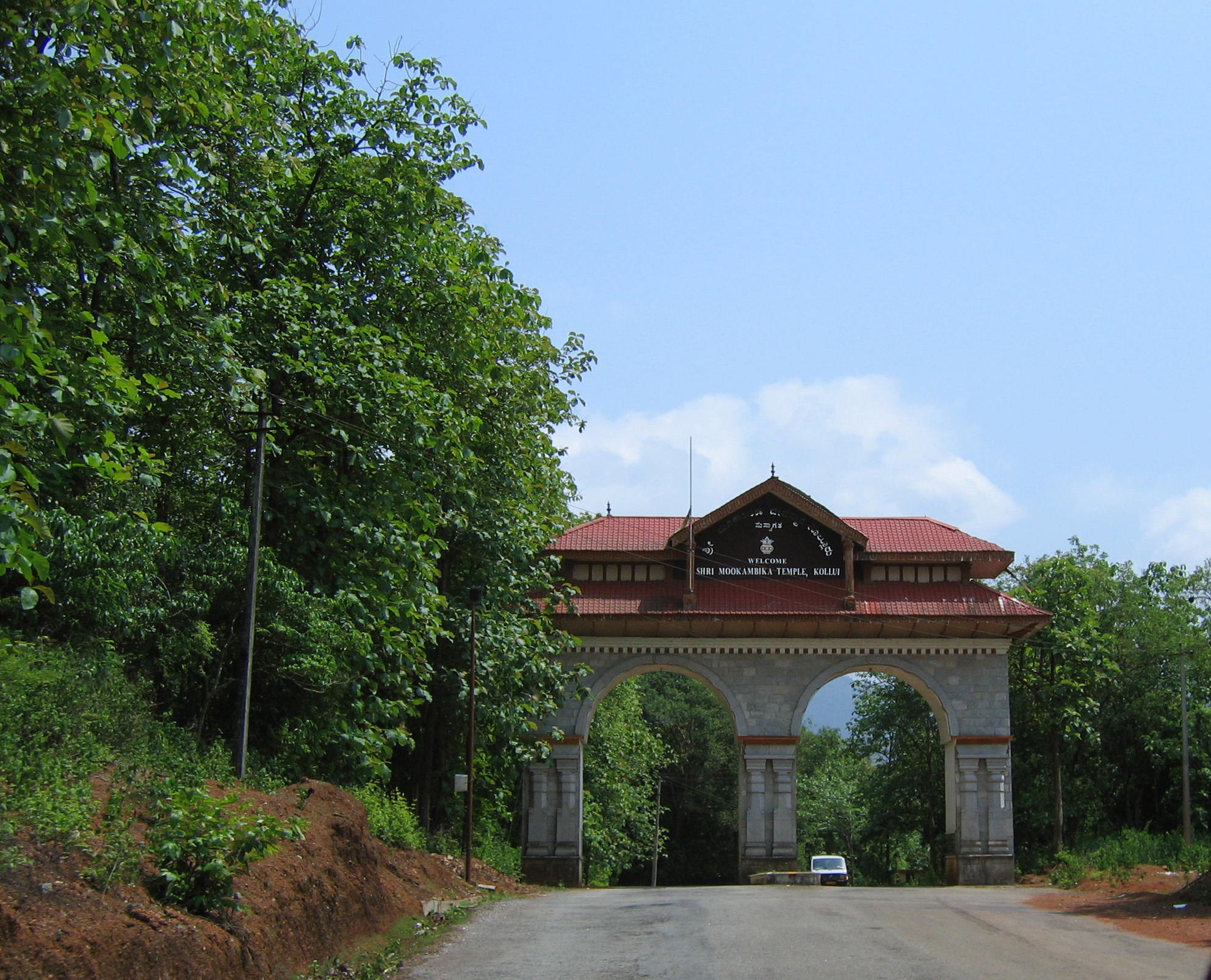
Sree Mookambika Temple sits in the foothills of the Kodachadri Hills in Karnataka's Udupi district — administratively outside Kerala entirely. And yet, much as devotees from Kerala share a deep bond with the Palani Murugan Temple in Tamil Nadu, Mookambika holds a place in Malayali spiritual life that few temples within Kerala's own borders can match. It is widely regarded as the foremost sanctuary for art, learning and spiritual awakening, drawing thousands of Kerala families every year — above all for one reason: Vidyarambham, the ceremony that formally begins a child's education.
As this guide shows later, the connection runs deeper still — Mookambika and Kerala's own Chottanikkara Devi Temple are bound together by a shared legend and a shared daily ritual rhythm. If you would rather keep the journey short, see our guide to Vidyarambham at Panachikkadu Dakshina Mookambika Temple in Kottayam.
The Legend of Mookambika
Mookasura, Adi Shankaracharya, and the Goddess Who Stayed
The Slaying of Mookasura — Where the Name Comes From
The temple's own name traces back to its foundational legend. A demon — known in different tellings as Kaumasura or Kamhasura — undertook severe penance seeking a boon that would make him invincible. Sensing the danger of granting it, the goddess of speech rendered him mute before the boon could be spoken — mooka meaning "dumb" — and he came to be called Mookasura. The combined energies of the gods then manifested as a goddess who rode a lion into battle and slew him, taking the name Mookambika — "the slayer of Mooka(sura)." The spot where she is believed to have killed the demon is known locally as Marana Katte.
Adi Shankaracharya and the Goddess Who Would Not Turn Back
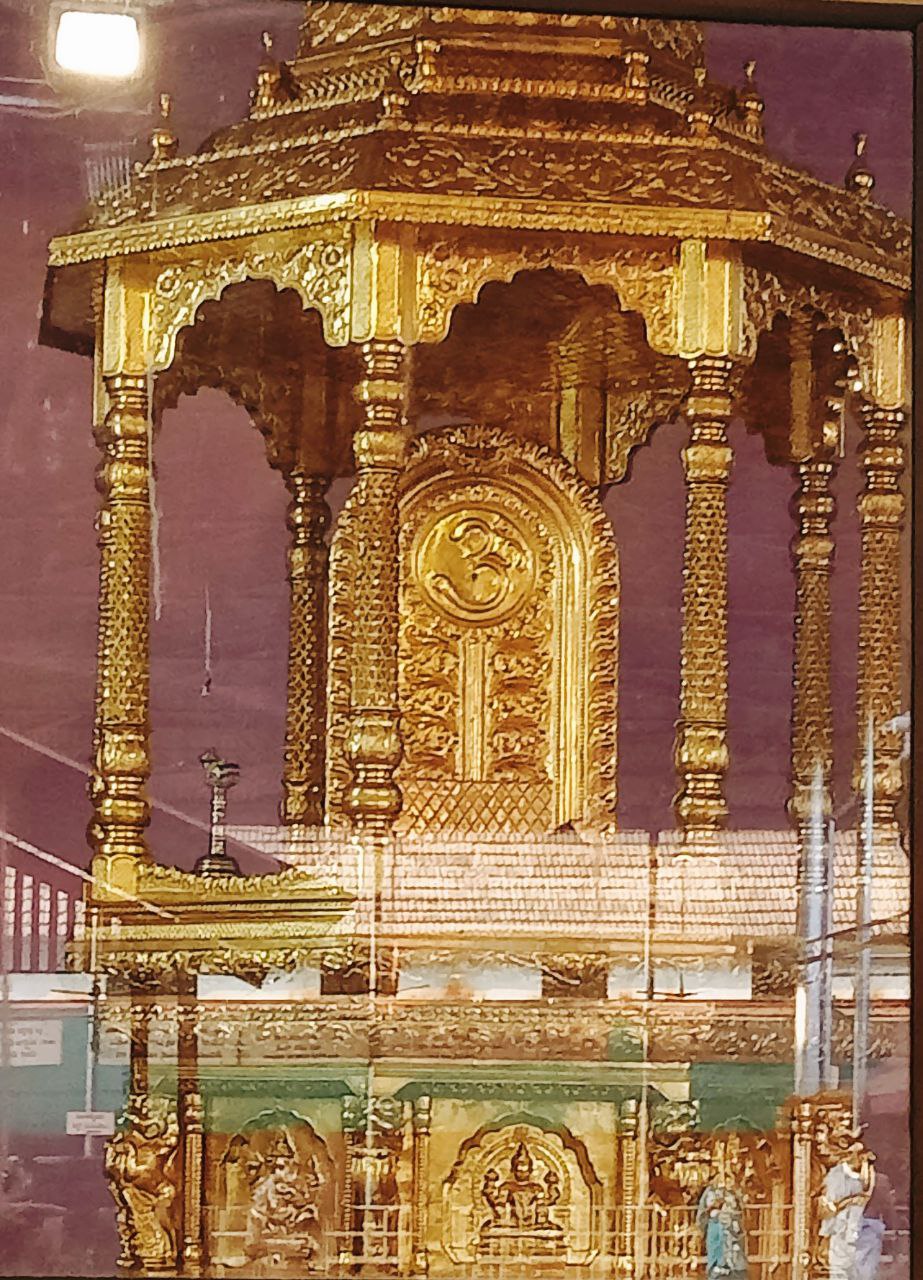
The temple's association with Adi Shankaracharya runs through nearly every telling of its history. Tradition holds that he meditated at Kodachadri, had a vision of the Goddess, and consecrated the idol seen in the sanctum today — installing a powerful Sri Chakra beneath it to hold and stabilise her energy.
A well-known parallel legend, carried specifically among Kerala devotees, adds a further layer: that Shankaracharya wished to bring Goddess Saraswati to Kerala to bless his people, and she agreed to follow him on one condition — that he never turn to look back at her. As they travelled, the sound of her anklets kept him reassured she was still following; but when the sound stopped near Kollur and he turned around to check, he broke the condition — and the Goddess remained permanently at that spot as Mookambika. This is why, within the tradition, the temple is held to be the place Saraswati chose to stay rather than continue on to Kerala.
🪔 The Chottanikkara Connection — Why This Matters for Kerala Devotees
Few visitors realise how literally this legend still shapes temple practice today. Mookambika Temple opens its doors at 5:00 AM, later than most Hindu temples — and a belief held by many regular devotees explains why: that the Goddess herself is present at Chottanikkara Temple in Kerala until just before dawn, honouring an old commitment made to Shankaracharya, before "returning" to Kollur each morning. True to this, Chottanikkara's own gates are traditionally opened right after Mookambika's. Whether taken literally or as devotional metaphor, it is one of the clearest living threads connecting this Karnataka shrine to Kerala's own temple calendar.
Three Goddesses in One Sanctum
Mookambika is worshipped as a unified form of Mahasaraswati, Mahalakshmi and Mahakali — and, as at several Kerala Devi temples including Chottanikkara, devotees describe the Goddess taking on different characters through the day: Saraswati in the morning, Lakshmi at noon, and Parvati by evening. The sanctum holds a swayambhu (self-manifested) lingam, with the Mookambika idol installed just behind it — a combined Shiva-Shakti form unique among South India's major Devi shrines. The temple is counted among the seven Mukti Sthalas said to have been established by Sage Parashurama, and its history of continuous worship is generally placed at around 1,200 years. More origin stories of this kind are collected in our guide to Kerala temple legends (sthala puranas).
Vidyarambham at Mookambika — Rites & Timings
വിദ്യാരംഭം / എഴുത്തിനിരുത്ൽ
📅 Vijayadashami & Vidyarambham 2026: Wednesday, October 21
In Kerala's 2026 calendar, Durgashtami is on Monday, October 19, Maha Navami (Ayudha Puja) on Tuesday, October 20, and Vijayadashami on Wednesday, October 21 — the morning when the books are taken back (Pooja Eduppu) and Vidyarambham is held. Pooja Vaipu (placing the books) is on the evening of Sunday, October 18. Vijayadashami is by far the busiest and most auspicious day of the year for Vidyarambham at Mookambika, so if you're bringing your child this year, October 21 is the date to mark, and arriving well before dawn is strongly advised given the crowds (see below).
Why you may see "October 20" elsewhere: some national panchangs list Vijayadashami on October 20 because they count by the afternoon puja window. Kerala's government holiday list and Malayalam calendar follow the sunrise Dashami, which falls on October 21. Since Mookambika's Vidyarambham serves mainly Kerala and Karnataka families, plan for October 21 — and confirm with the temple office closer to the date.
As Goddess Saraswati, Mookambika is regarded as the presiding deity of knowledge, art and speech — which is precisely why Vidyarambham (also called Ezhuthiniruthu, "placing the letters") holds such significance here. In this ceremony, a child — typically between two and five years old — writes their first letters under the Goddess's blessing, formally marking the beginning of their education.
How the Ceremony Is Performed
The child is seated on the lap of a parent, grandparent or teacher. A gold ring or stylus is gently guided by the elder's hand to trace the child's first letters — usually the sacred syllable "Hari Sree" followed by the Malayalam or Kannada alphabet — into a tray of raw rice, sometimes marked with turmeric or sandal paste. The rice itself is often taken home afterward as a blessed keepsake.
| Detail | Information |
|---|---|
| Dedicated venue | Saraswathi Mantapam, within the temple complex |
| Typical fee | Approximately ₹200 per child (confirm current fee at the temple counter or official portal) |
| Regular timings | Approximately 6:00 AM – 1:30 PM and 5:00 PM – 9:00 PM, most days of the year |
| Vijayadashami timing | Begins as early as 4:00 AM, given the exceptionally high turnout |
| Availability | Conducted throughout the year, not only on Vijayadashami — though Vijayadashami remains by far the most preferred day |
Planning your Vijayadashami visit
Because tens of thousands of families travel from across Kerala and Karnataka specifically for Vijayadashami Vidyarambham, expect very heavy crowds, long queues from pre-dawn, and limited parking in Kollur town itself. Many Kerala families choose to travel the evening before and stay overnight in Kollur or nearby Kodachadri-route towns (see the accommodation section below) so they can join the queue before sunrise. If a less crowded experience matters more to you than the specific date, any other day of the year — or even Vasant Panchami, also considered auspicious for Vidyarambham in some traditions — is a calmer alternative. For other temple festival dates through the year, see our Kerala temple festivals guide.

Temple Timings & Daily Pujas
നടതുറക്കൽ സമയക്രമം
The temple follows a structured daily puja sequence. Timings can shift slightly by season and on festival days, so treat the table below as a reliable general guide rather than a fixed schedule, and confirm on the official temple website before travelling.
| Time | Ritual | Notes |
|---|---|---|
| 5:00 AM | Nada Thurakkal (Temple Opening) & Nirmalya Darshan | Devotees widely believe the Goddess "returns" from Chottanikkara just before this hour — see the legend section above |
| 6:00 AM – 1:30 PM | Morning darshan & Vidyarambham | Vidyarambham conducted at the Saraswathi Mantapam throughout this window |
| ~6:30 PM | Pradosha Puja ("Salam Aarti") | Traditionally linked to Tipu Sultan, who is said to have initiated this evening observance in devotion to the temple |
| 5:00 PM – 9:00 PM | Evening darshan & Vidyarambham | Evening session for Vidyarambham and general darshan |
| ~8:30 PM – 9:00 PM | Kashaya Theertha distribution | A warm herbal decoction of ginger, pepper, cardamom and jaggery, distributed to devotees after the night's Mangalarathi — a practice attributed to Adi Shankaracharya for devotees' digestive wellbeing |
| ~9:00 PM | Nada Adaykkal (Temple Closing) | Final closing for the day |
A familiar rhythm for Kerala devotees
Devotees coming from Chottanikkara or other Kerala Devi temples will notice a familiar structure here — the idea of the Goddess appearing in different moods through the day (Saraswati at dawn, Lakshmi by noon, Parvati by evening) is a devotional framework shared across several major Devi temples in both Kerala and coastal Karnataka.
Dress Code & Temple Etiquette
വസ്ത്രധാരണ ക്രമം
👳 For Men
- Mundu (dhoti) or similar traditional lower garment
- Upper garment (shirt/vest) is traditionally removed before entering the sanctum area
- Avoid jeans, shorts and casual Western wear
🪷 For Women
- Saree or churidar with a dupatta covering the chest
- Half-saree acceptable for younger girls
- Avoid jeans, leggings without a kurti, and sleeveless tops
Photography is generally restricted inside the sanctum and immediate puja areas — look for posted signage, and ask temple staff if unsure. As at most major South Indian temples, footwear must be removed before entering the temple compound. For the meaning behind these customs, see our guide to Kerala temple rituals, and for general etiquette our temple dress code FAQ.
Free Meals (Anna Prasadam)
അന്നദാനം
Like most major South Indian temples, Mookambika offers free vegetarian meals (anna prasadam) to all devotees, typically served around midday and again in the evening. Exact serving windows can vary by day and season — a safe general expectation is roughly 12:00 PM – 2:00 PM and 8:00 PM – 9:30 PM, but check locally on arrival rather than planning your day around these times precisely. To understand what prasad, theertham and other offerings mean, read our guide to Kerala temple offerings (vazhipadu).
How to Reach Kollur from Kerala
കൊല്ലൂരിലേക്കുള്ള യാത്രാമാർഗ്ഗങ്ങൾ
By Train — Byndoor Mookambika Road (BYNR)
The nearest railway station is Byndoor Mookambika Road (BYNR), about 25–27 km from Kollur, on the Konkan Railway line. Several trains connecting Kerala to the Konkan coast stop here, making the train the most practical option for most Kerala devotees:
| Train | Number | Route |
|---|---|---|
| Netravati Express | 16345 / 16346 | Mumbai LTT ↔ Thiruvananthapuram Central, passing through Ernakulam, Thrissur, Shoranur, Kozhikode and Kannur |
| Matsyagandha Express | 12619 / 12620 | Mangaluru ↔ Mumbai CSMT, stopping at Byndoor |
| Ernakulam–Okha Express | 16337 / 16338 | Connects Ernakulam to Byndoor en route to Okha, Gujarat |
| Thiruvananthapuram–Veraval Express | 16333 / 16334 | Connects Thiruvananthapuram to Byndoor en route to Veraval, Gujarat |
| Garib Rath Express | 12201 / 12202 | Thiruvananthapuram (Kochuveli) ↔ Mumbai LTT, bi-weekly, stops at Byndoor |
| Marusagar Superfast Express | 12977 / 12978 | Weekly service connecting Kerala's Konkan-route stations to Byndoor |
From Byndoor Mookambika Road station, local taxis and shared autos run the roughly 45-minute route to Kollur. Always verify current train days, timings and stops on the IRCTC website or app before booking, since schedules do change.
By Road
Kollur is connected by road to all major Kerala cities. KSRTC and private buses run from several Kerala towns, and self-drive or taxi options are popular for the scenic coastal/ghat route via NH66. Approximate road distances from major Kerala cities:
| From | Approx. Distance |
|---|---|
| Kasaragod | ~95 km |
| Kannur | ~160 km |
| Kozhikode | ~230 km |
| Thrissur | ~300 km |
| Ernakulam / Kochi | ~340 km |
Treat these as approximate — always check current road conditions and route via a maps app before a long drive, particularly during monsoon season when ghat roads can be affected.
By Air
The nearest airport is Mangaluru International Airport (IXE), roughly 120–130 km from Kollur. From Kerala, this typically means a short domestic flight into Mangaluru followed by a taxi or bus to Kollur — a practical option for devotees travelling from farther south in Kerala who want to save road time. Planning a longer trip? Our Kerala temple tourism guide covers regional temple circuits across Kerala.
Taxi & Local Transport
പ്രാദേശിക യാത്രാ സൗകര്യങ്ങൾ
| Route | Approx. Distance | Options |
|---|---|---|
| Byndoor Mookambika Road Station → Kollur | ~25–27 km (~45 min) | Taxi, shared auto |
| Mangaluru Airport → Kollur | ~120–130 km (~3 hrs) | Taxi, prepaid cab |
| Kollur → Kodachadri base (Nittur/Hosangadi) | ~20 km | Taxi, jeep safari operators |
Local taxi unions operate from near the temple and the railway station at fairly standard rates; agreeing on the fare before starting the trip is standard practice, as with most pilgrim towns in India.
Official Booking Portals
ഔദ്യോഗിക ബുക്കിംഗ് പോർട്ടലുകൾ
To avoid unofficial agents and ensure your booking (seva, accommodation, or darshan slot) goes directly to the temple administration, use only these verified official channels:
| Purpose | Official Source |
|---|---|
| Temple information, E-Seva booking (pujas, vazhipadu) | Official temple website: kollurmookambikatemple.org |
| Government temple administration portal | Karnataka Hindu Religious & Charitable Endowments (Muzrai) Department portal |
| Official government-run accommodation booking near the temple | karnatakatemplesaccommodation.com — the Karnataka government's official portal for temple-adjacent lodging, including Kollur's Lalithambika Guest House |
A word of caution
As with any major pilgrim destination, unofficial travel agents and booking agents sometimes approach devotees online or at the station promising guaranteed Vidyarambham slots or VIP darshan. Book sevas and accommodation only through the official portals above, or directly at the temple's own counters, especially around Vijayadashami when demand is highest.
Kodachadri Trek & Sarvajnapeetham
കൊടച്ചാദ്രി ട്രെക്കിംഗും സർവജ്ഞപീഠവും
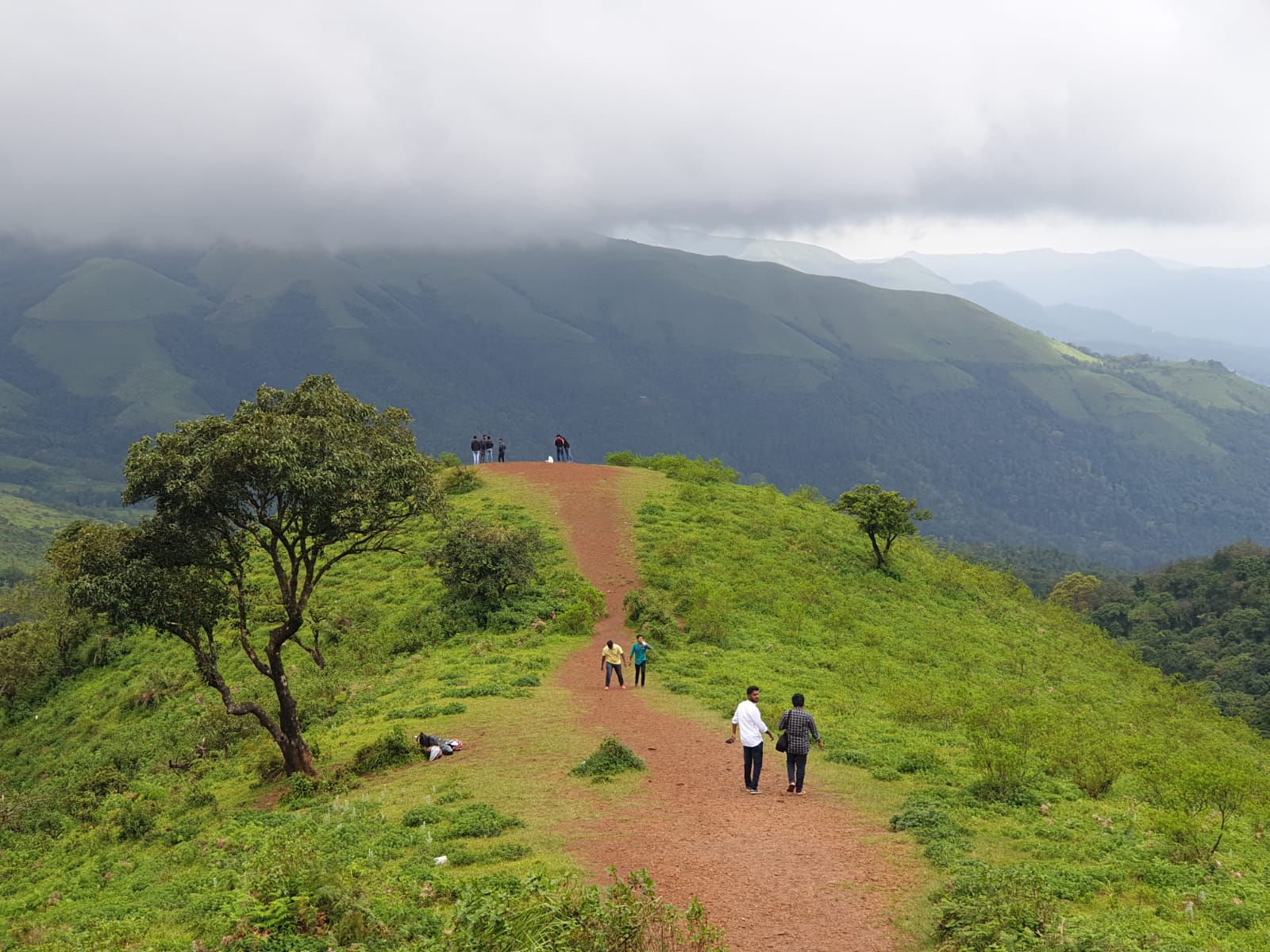
Many Kerala pilgrims extend their Mookambika visit with a trip to Kodachadri, the forested hill where tradition holds that Adi Shankaracharya meditated and first had his vision of the Goddess. It's both a spiritually significant site and a genuinely rewarding trek through the Western Ghats.
Sarvajnapeetham — The "Seat of Omniscience"
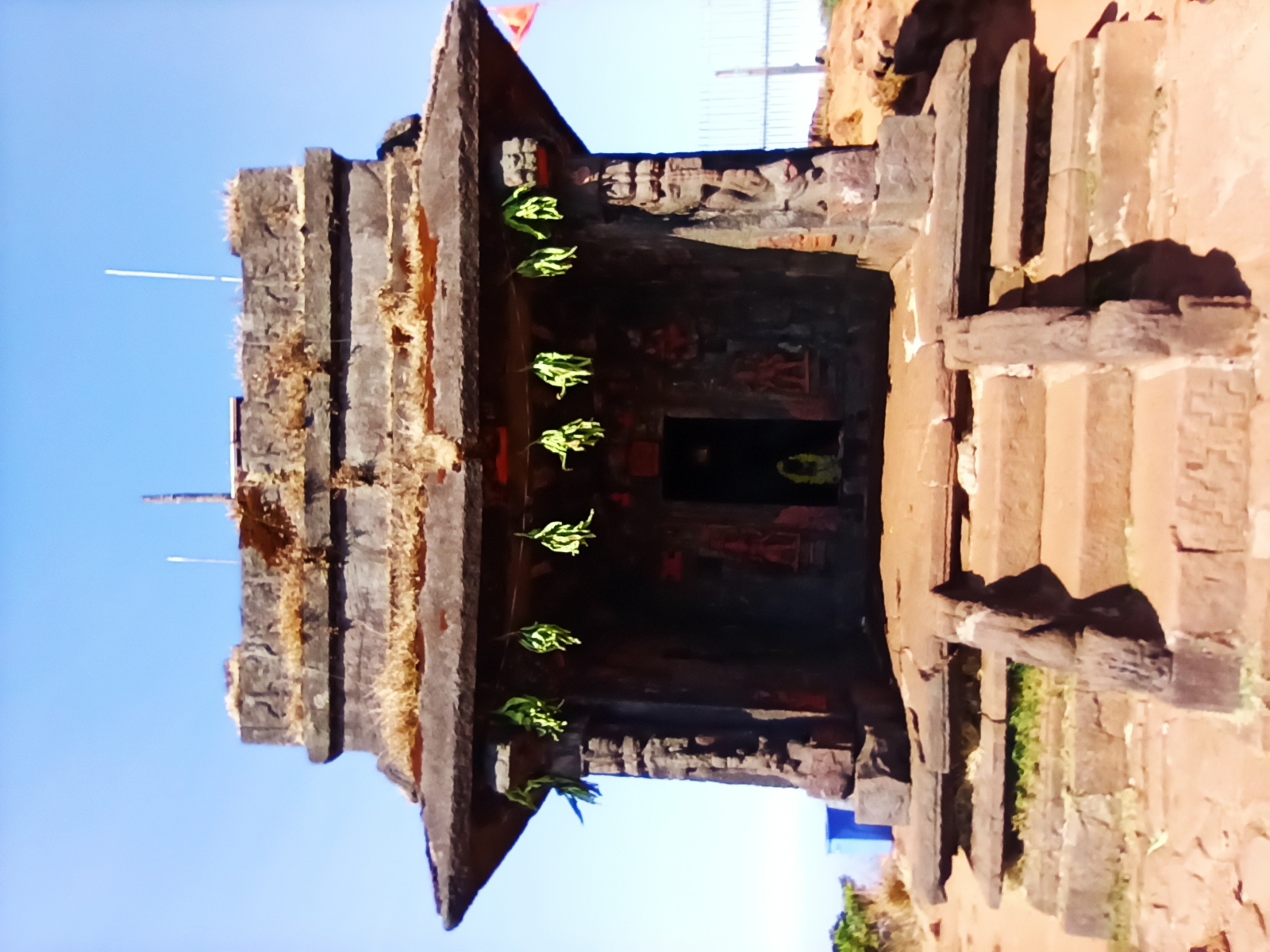
At the summit stands the Sarvajnapeetham ("seat of all-knowing"), a stone structure associated with Shankaracharya's meditation and his philosophical victories, which devotees visit as part of the trek. It's regarded as one of the spiritual high points of the Kodachadri experience, alongside the natural beauty of the trail itself.
The Magnetic Stone — A Genuine Geological Curiosity
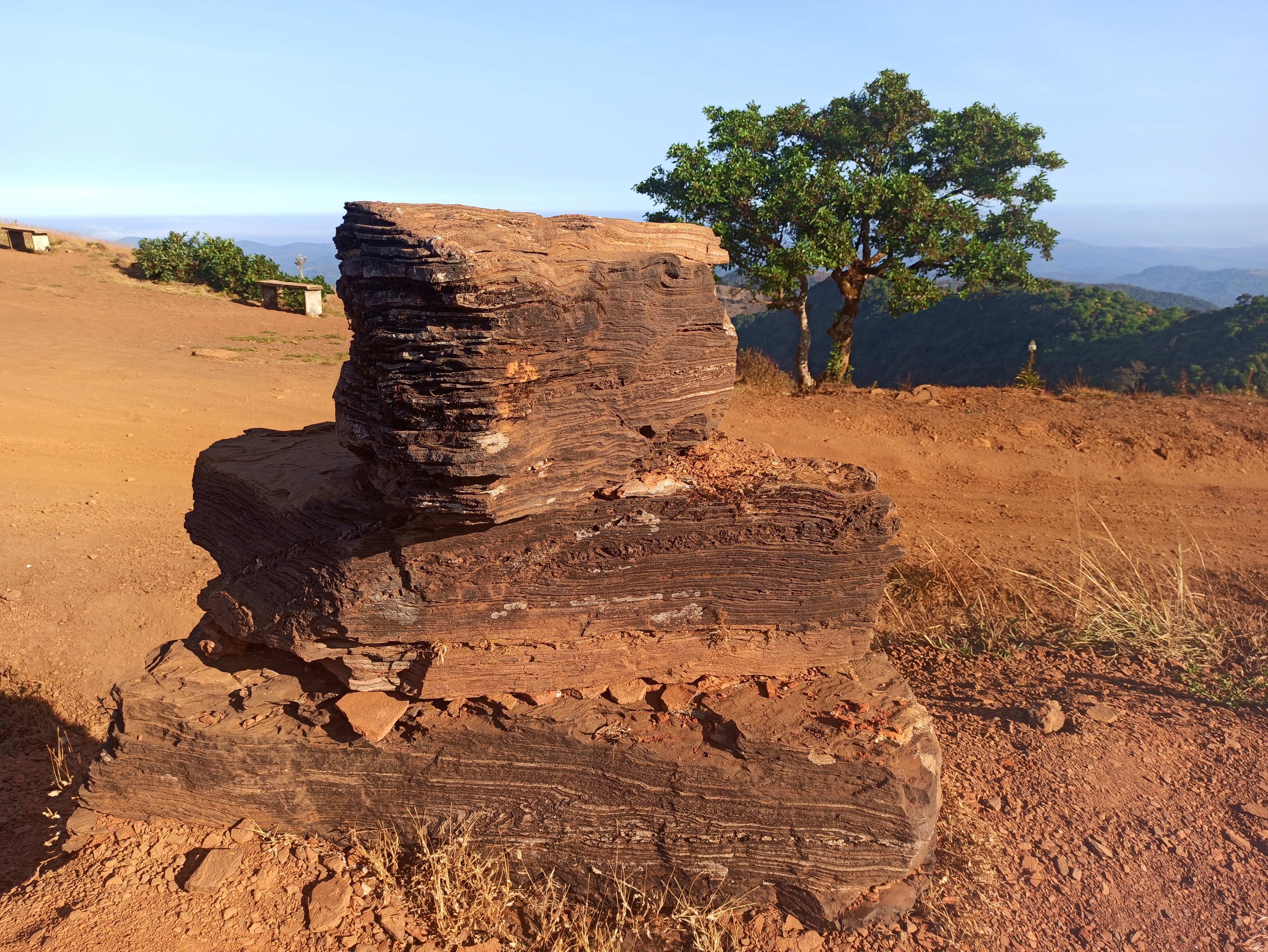
Partway along the trek, many visitors stop at what's locally known as the "magnetic stone" or "magnetic rock" — and unlike some trail legends, this one checks out scientifically: Kodachadri's hillside contains natural iron ore deposits, and test surveys conducted in the 20th century confirmed that rocks in this area do have measurable magnetic properties, noticeably deflecting a compass needle. It's a fun, verified stop for trekkers rather than just folklore.
Planning the Trek
- Jeep safari: Local jeep operators run from Nittur/Hosangadi near the base to a point partway up, from where the final stretch is on foot — a popular option for those short on time or less experienced with trekking.
- Full trek: For fitter visitors, the full trek on foot takes several hours each way through forest terrain and is best attempted with a local guide, particularly during or just after monsoon season when trails can be slippery.
- Best season: October to March generally offers the clearest weather and safest trail conditions; the monsoon months (June–September) bring heavy rain and should be approached with caution.
- Essentials: Sturdy footwear, water, a torch/flashlight if starting early, and basic rain protection even outside peak monsoon.
A note on local folk shrines
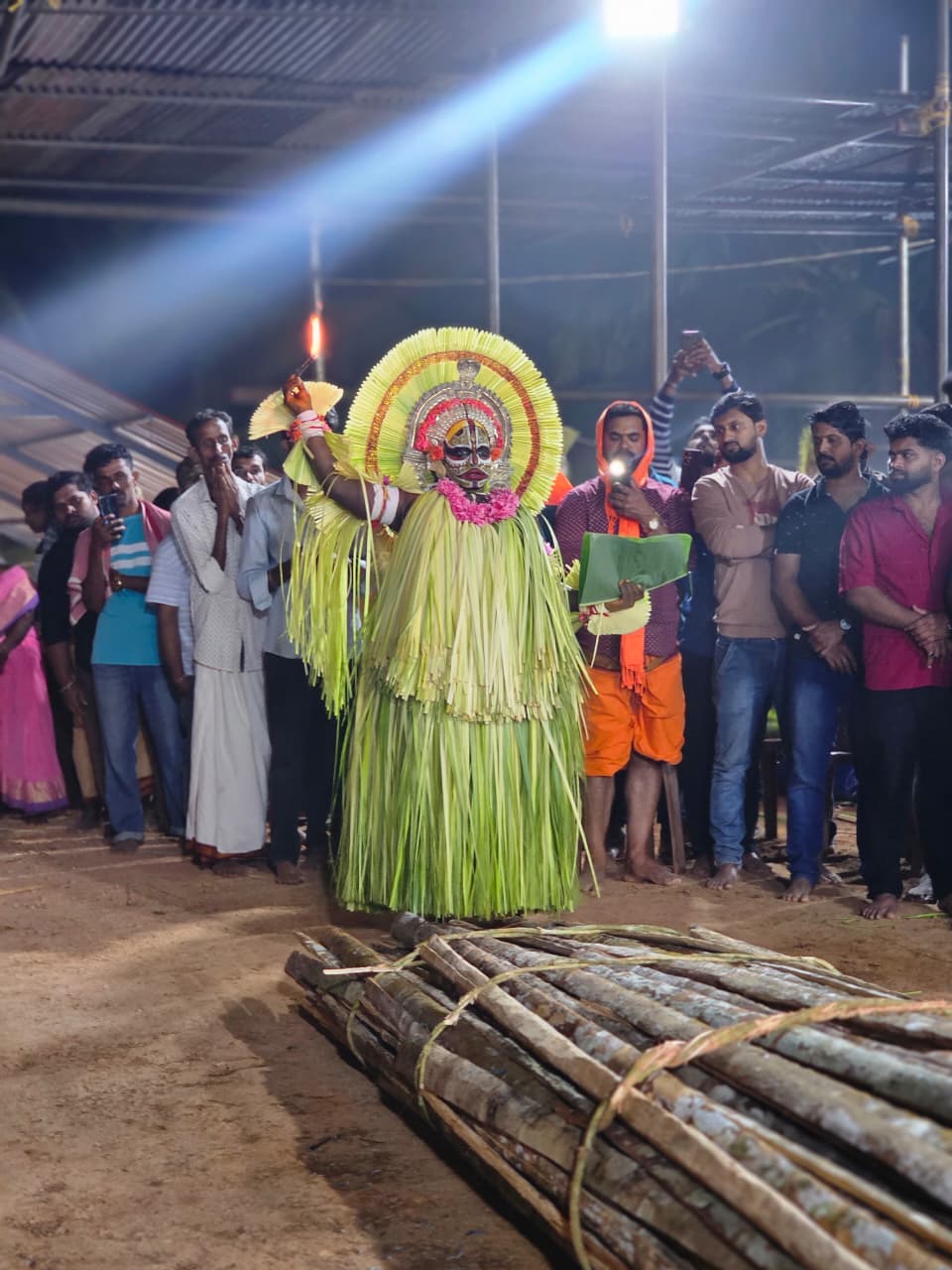
Coastal Karnataka's Tulunadu region is also known for its living tradition of folk deity (daiva) worship — figures such as Guliga are venerated locally through the Bhuta Kola spirit-worship tradition, often at small shrines found across this region. We haven't been able to independently confirm the specifics of any such shrine within the Mookambika temple complex itself, but it's a genuinely distinctive part of this region's broader religious landscape that visitors may encounter nearby.
Temple Architecture & Murals
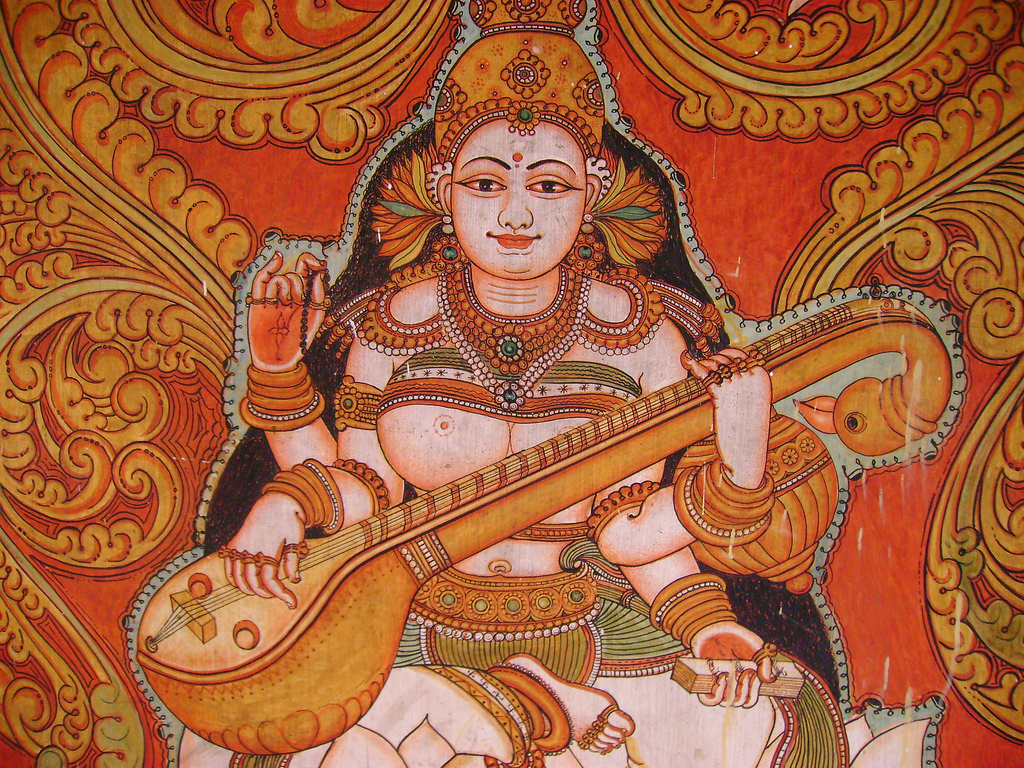
The temple complex itself is also worth unhurried attention — traditional wood and stone craftsmanship, and mural work reflecting the region's temple art traditions, which blend Kerala and coastal Karnataka artistic influences given the area's shared cultural history.
Where to Stay in Kollur
താമസ സൗകര്യങ്ങൾ
Kollur is a small pilgrim town, and accommodation ranges from the temple's own official guest houses to private hotels and lodges along the main road. Options can fill up fast around Vijayadashami and other festival days, so booking ahead matters more here than almost anywhere else on the Kerala-to-Karnataka pilgrim circuit.
Temple-Managed & Government-Booked Stays
The Lalithambika Guest House, bookable through the Karnataka government's official karnatakatemplesaccommodation.com portal mentioned above, is the most reliable option for a straightforward, temple-adjacent stay without needing to negotiate with private operators.
Private Hotels & Lodges
Kollur town itself, and the stretch toward Kodachadri, has a range of private hotels and homestays catering to pilgrims and trekkers, from simple lodges to more comfortable mid-range hotels.
🏨 Compare & Book Kollur Hotels Online
For devotees who prefer to compare options, read recent guest reviews, and book instantly rather than arrive and search on the ground — particularly useful around Vijayadashami when rooms go quickly — Agoda lists a range of hotels and guest houses in and around Kollur, from budget lodges to more comfortable stays near the temple.
Search Kollur Hotels on Agoda →This is an affiliate link — booking through it costs you nothing extra and helps support this guide. See our Affiliate Disclosure.
Booking tip for Vijayadashami
If you're travelling specifically for Vijayadashami Vidyarambham on October 21, 2026, book your stay at least several weeks in advance. Many Kerala families prefer staying the night before in Kollur itself (rather than commuting from Kasaragod or Kannur the same morning) so they can join the pre-dawn queue well rested.
Frequently Asked Questions
പതിവ് ചോദ്യങ്ങൾ
For Kerala devotees, Vijayadashami 2026 and the Vidyarambham day fall on Wednesday, October 21, 2026. Durgashtami is October 19 and Maha Navami (Ayudha Puja) is Tuesday, October 20, per the Kerala government calendar. Some national panchangs show Vijayadashami as October 20, but Kerala observes Vidyarambham on the sunrise Dashami, October 21. This is the most sought-after day of the year at Mookambika Temple, with Vidyarambham sessions beginning as early as 4:00 AM — confirm the schedule with the temple before travelling.
Mookambika is worshipped as a form of Goddess Saraswati, the deity of knowledge and the arts, and the temple is widely regarded across South India as one of the foremost places for a child's Vidyarambham. The temple's own legend also links it directly to Kerala's Chottanikkara Devi Temple, giving it a devotional connection to Kerala that goes well beyond its geographic location in Karnataka.
The train to Byndoor Mookambika Road station, followed by a short taxi ride of about 45 minutes, is the most practical route for most Kerala devotees. Several trains including the Netravati Express and Matsyagandha Express connect Kerala's major stations to Byndoor. Self-drive or bus travel via NH66 is also common, especially for devotees combining the trip with a Kodachadri visit.
Yes — Vidyarambham is conducted at Mookambika Temple throughout the year, typically within the regular darshan hours. Vijayadashami is simply the most preferred and most crowded day; visiting on another day, or on an alternative auspicious occasion like Vasant Panchami, gives a calmer experience with shorter queues.
Mookambika Temple welcomes devotees and visitors generally, in keeping with common practice at most major South Indian temples, though appropriate dress and respectful conduct are expected of everyone entering the premises. If you have specific concerns, it's worth confirming current entry policy directly with the temple before travelling.
Most pilgrims extend their trip to include the Kodachadri trek, which carries its own spiritual significance as the site of Adi Shankaracharya's meditation and the Sarvajnapeetham. It's also a genuinely scenic Western Ghats trek in its own right, with options ranging from a jeep-assisted shortcut to a full day's trek for the more adventurous.
Conclusion
ഉപസംഹാരം
Sree Mookambika Temple may sit across the state line in Karnataka, but for generations of Kerala families, it has never really felt like a journey "outside" home — it's where a child's first letters are written, where Saraswati, Lakshmi and Kali are honoured as one, and where the legend itself ties back directly to Chottanikkara. Whether you're planning your child's Vidyarambham for Vijayadashami on October 21, 2026, or a quieter visit any other day of the year, this guide should give you everything you need to travel well-prepared and arrive with the right understanding of what you're stepping into.
Continue Exploring
More from Kerala Temple Guide
Panachikkadu Vidyarambham Guide
The Dakshina Mookambika temple in Kottayam, closer to home for most Kerala families.
Read More →Temple Offerings
Every vazhipadu has a story — what your offering means and how to give it.
Read More →Beliefs & Tantra Shastra
Temple architecture, sacred groves and tantric theology, explained with care.
Read More →