Introduction
Karkidaka Vavu Bali — Kerala’s Most Sacred Day for Ancestors
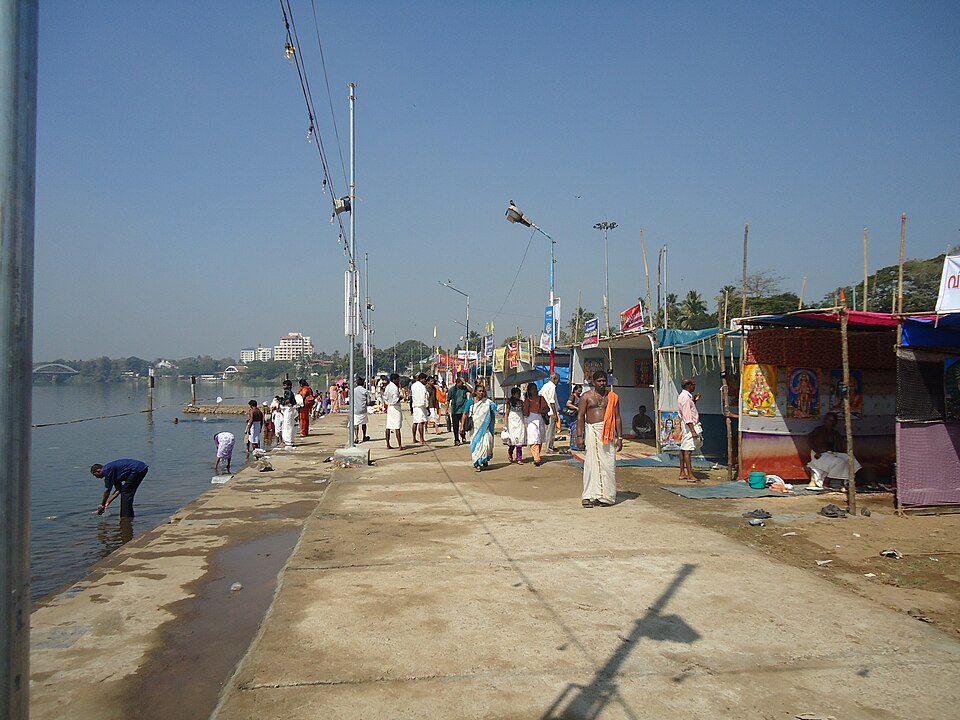
On the Amavasya (new moon day) of the Malayalam month Karkidakam, the entire state of Kerala turns its heart toward its departed ancestors. Karkidaka Vavu Bali — also called Karkidaka Vavu Bali Tharpanam or simply Vavu Bali — is the most widely observed ancestral ritual in Kerala, drawing millions of devotees to riverbanks, seashores and temple ghats before dawn to perform the sacred Pitrukarma (ancestral rites) for their deceased parents, grandparents, siblings, children and ancestors.
In 2026, Karkidaka Vavu Bali was observed on Wednesday, August 12, 2026 (Amavasya from 1:53 AM to 11:06 PM); the next is expected on Monday, August 2, 2027. The most auspicious period for Bali Tharpanam is from sunrise until noon.
The word Vavu means new moon (Amavasya) in Malayalam, and Bali refers to the ritual offering — not sacrifice, but the act of consecrated giving to the departed. Karkidakam is considered particularly sacred for pitrukarma because it marks the beginning of Dakshinayanam — the sun’s southward journey — which in Hindu cosmology is described as the “night of the gods” and the period when ancestral souls are closest to the living world and most receptive to offerings.
Unlike many rituals, Karkidaka Vavu Bali is performed outdoors near water — rivers, seashores or temple tanks — in the heart of Kerala’s monsoon season. The rain-soaked riverbanks, the grey skies, the green forests and the tens of thousands of white-clad devotees wading into sacred waters at dawn combine into one of the most emotionally powerful spectacles in Kerala’s devotional calendar.
Significance
Why Karkidaka Vavu Bali is Uniquely Significant
The First Amavasya of Dakshinayanam
The Karkidaka Vavu is not merely another new moon day — it is the first Amavasya of Dakshinayanam, the six-month southward journey of the sun beginning in the Malayalam month of Karkidakam (approximately mid-July). In Hindu cosmology, Dakshinayanam is the night of the Devas — the period when the world of the living and the world of the departed are closest to each other.
It is believed that during Dakshinayanam, the souls of deceased ancestors are most accessible to the offerings of the living, and that Bali performed on the Karkidaka Vavu reaches them most directly, bringing them peace, nourishment and the possibility of moksha (liberation). The Bali offered on any other Amavasya during the year carries merit, but that of Karkidaka Vavu is considered the most potent.
Pitru Dosha and Its Remedy
Pitru Dosha is believed to arise in a family when departed ancestors have not received proper ritual care — either because the appropriate Bali was not performed, or because the souls of the departed are restless or dissatisfied. It is associated with obstacles in progeny, health difficulties, recurring financial troubles and disharmony in family relationships. Performing Karkidaka Vavu Bali sincerely and correctly is considered one of the most powerful remedies for Pitru Dosha.
Who Should Perform Bali?
All Hindu men who have lost a parent, grandparent, sibling, child or relative are traditionally expected to perform Vavu Bali. The eldest son takes primary responsibility, but any male family member may perform the rites. In some traditions, women also participate, particularly those who have lost a husband or child. There is no minimum age — young men who have lost parents are encouraged to perform the ritual. If all male members of the family are unavailable, a trusted elder or priest may perform the Bali on the family’s behalf.
Pitrudevas are pacified by Tila (sesame), water, rice and devotion. They who are offered Bali by their descendants on the sacred Amavasya of Karkidakam attain peace and grant their blessings to the living.
Traditional teaching on Pitrukarma — from Kerala’s Vedic ritual traditionPreparation
Day Before Vavu — Preparation & Observances
Karkidaka Vavu Bali requires careful preparation on the day before — both physical and mental. The following observances are traditionally followed:
- Orikkal (ഒരിക്കൽ): The person performing Bali must eat only one meal of rice the day before (the evening of August 11, 2026). No second serving, no snacking after that meal. This meal must be strictly vegetarian.
- No non-vegetarian food on the day before and throughout the Vavu day (August 12). All family members are expected to observe this.
- No onion or garlic in food on these days, as these are considered rajasic (stimulating) and unsuitable for the sattvic state required for pitrukarma.
- No fried items or pickles in the previous day’s meal — a simple, sattvic vegetarian meal only.
- Early sleep on the night of August 11 — the ritual requires waking before dawn on August 12 to reach the sacred site before sunrise.
- Gather all ritual items the day before (see checklist below) to ensure nothing is forgotten in the pre-dawn rush.
- Inform the family priest or make arrangements at the chosen temple/site in advance, particularly for major sites like Thirunelli or Thirunavaya where demand for priests is extremely high.
On the evening of Karkidaka Vavu, most Kerala Hindu households prepare Vavu Ada — a special steamed rice preparation (similar to Ada or Puttu) made from rice flour, coconut and jaggery, steamed in banana leaves. This is prepared as an offering in memory of the ancestors and is then shared as a family meal in the evening. The tradition connects the domestic home with the ritual performed at the riverbank or temple, making the entire household part of the ancestral remembrance.
What to Bring
What to Bring — Complete Checklist for Bali Tharpanam
The items needed for Karkidaka Vavu Bali Tharpanam are traditionally assembled by the family. At most major temples, basic pooja kits are available for purchase at the venue (at a nominal charge). However, it is advisable to carry the items yourself to ensure quality and availability, especially at remote sites like Thirunelli.
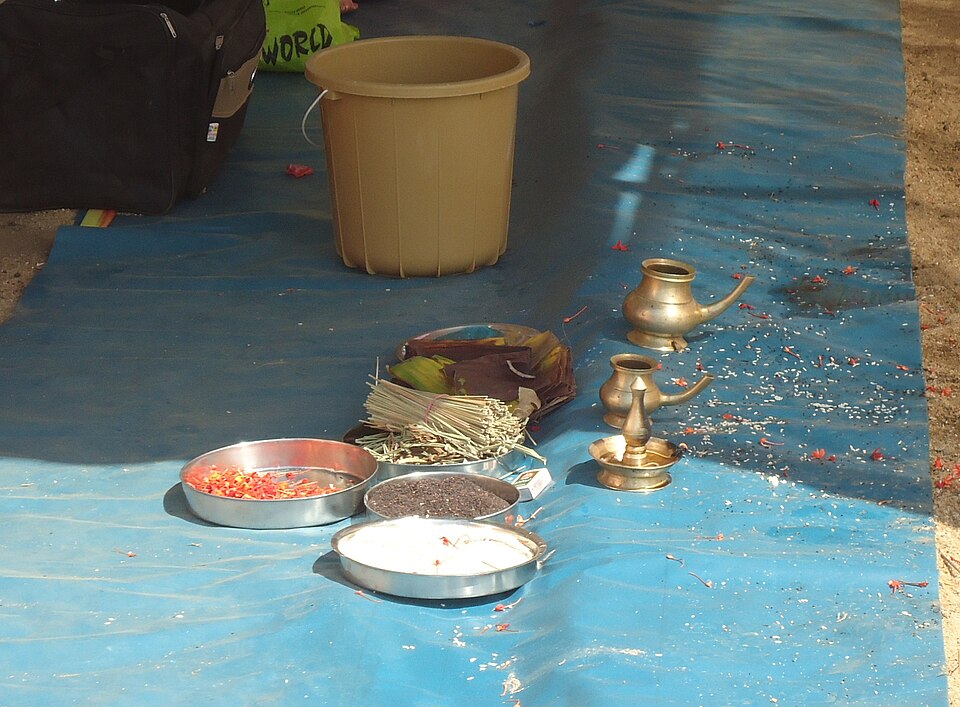
At Thirunavaya, Thiruvallam, Aluva and most other major Vavu Bali sites, complete ritual kits (containing darbha, sesame, rice flour for pinda, banana leaf, betel, tulsi and other items) are available for purchase at counters near the bathing ghat. Prices typically range from ₹100 to ₹300 per kit. The temple also arranges priests who guide the ritual for each family group.
At Thirunelli, the remote location means supplies are more limited. It is strongly recommended to bring all items from home when visiting Thirunelli.
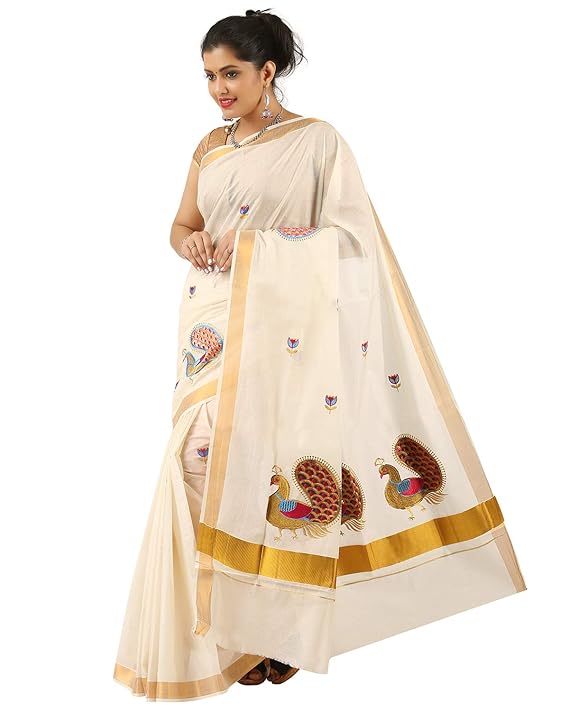
Authentic Kerala Kasavu saree — the sacred cream-and-gold traditional weave for women during Vavu Bali and all Kerala temple rituals. Pure gold zari, handwoven.
View on Amazon →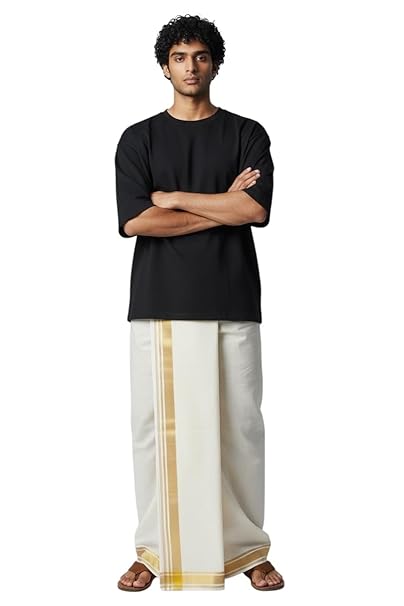
Traditional Kerala cotton mundu for men — the correct and appropriate attire for performing Karkidaka Vavu Bali and all pitrukarma rituals. Comfortable and pure cotton.
View on Amazon →Affiliate links — we earn a small commission at no extra cost to you. See our Affiliate Disclosure.
The Ritual
Step-by-Step Bali Tharpanam — How the Ritual is Performed
The Bali Tharpanam is performed at the water’s edge — standing knee-deep or waist-deep in a river, sea or sacred tank. At major venues, the officiating priest stands beside or behind the devotee and guides each step. The sequence below follows Kerala’s traditional pitrukarma procedure.
📍 Karkidaka Vavu Bali Tharpanam — Complete Ritual Sequence
The most auspicious time for Karkidaka Vavu Bali is from sunrise until noon. While the Amavasya technically extends until 11:06 PM on August 12, 2026, the morning hours carry the greatest ritual efficacy. Many major venues (particularly Thiruvallam and Aluva) begin rituals before sunrise — Thiruvallam begins at 2:30 AM. Arriving late means long queues and may mean performing the ritual during less auspicious mid-afternoon hours. Plan to arrive at your chosen venue before 5:00 AM on August 12.

Deepen your understanding of Shraddha, Bali Tharpanam and Pitru rituals with authoritative books on Hindu ancestral worship tradition. Knowledge enriches the ritual.
View on Amazon →
🪔 Illuminate your home this Karkidakam — from traditional oil lamps to vibrant decorations & festival essentials. Amazon’s best-selling Kerala festival collection!
Shop Festival Picks →Affiliate links — we earn a small commission at no extra cost to you. See our Affiliate Disclosure.
“ഓർക്കുക — Karkidaka Vavu Bali is not just a ritual. It is a conversation across death — the living speaking to the departed, across the boundaries of worlds, through sesame and water and love.”
Kerala Vedic tradition on the essence of Pitrukarma
Major Temples & Sacred Sites
The Five Most Sacred Vavu Bali Sites in Kerala
While Bali Tharpanam can be performed at any sacred river, beach or temple tank across Kerala, certain sites are considered uniquely powerful for Pitrukarma — either because of their ancient sanctity, their position on sacred river confluences, or because of legends directly linking them to the tradition of ancestral offering. The five sites below are the most important in the state.
The Aluva Manappuram — the vast sand bank of the Periyar river beside the Aluva Mahadeva Temple — is the largest single gathering site for Karkidaka Vavu Bali in central and south Kerala, drawing hundreds of thousands of devotees on Vavu day. The temple itself is unique in Kerala: the Swayambhu Sivalingam has no permanent shrine structure around it — Lord Shiva himself is said to have declared that no temple walls shall contain him at this location. During monsoon floods, the entire site including the lingam is submerged, and Shiva is worshipped floating in the river — one of the most extraordinary images in all of Kerala temple tradition.
The Manappuram’s association with ancestral ritual is ancient. Local tradition holds that Lord Sri Rama himself performed Tharpanam here for his ancestors during his search for Sita. The vast open sandbank allows thousands of families to perform the ritual simultaneously, making it a profoundly communal and emotionally powerful experience.
- Large pooja pandals erected on the sandbank with seating for hundreds of families at a time
- Expert priests stationed throughout the pandals — each priest guides a group through the full Bali Tharpanam sequence
- Complete pooja kits (darbha, sesame, rice flour, banana leaf, tulsi, betel etc.) available for purchase at counters near the ghat
- Ritual begins at approximately 4:00 AM on Vavu day and continues through the morning
- Changing rooms and basic toilet facilities provided by civic authorities during the festival
- Special KSRTC bus services and Kochi Metro early-morning trips arranged to transport devotees
- Medical camp and police arrangements by Ernakulam district administration
- Green Protocol in force — use of biodegradable items only; plastic disposal facilities provided
Thirunavaya is considered one of the most sacred Pitrukarma sites in all of Kerala, for a reason unique to this location: it is a Trimurthi Sangamam — a confluence of the divine presences of Vishnu, Brahma and Shiva, represented by three temples on either bank of the Bharatappuzha. The Navamukunda (Vishnu) Temple stands on the northern bank; the Brahma Temple (Cherutirunavaya) and the Mahadeva (Shiva) Temple stand on the southern bank. Performing Bali Tharpanam in the Bharatappuzha between all three divine presences is considered spiritually equivalent to performing it at the Triveni Sangam in Prayag.
The Navamukunda Temple is one of the 108 Divya Desams (holiest Vishnu temples) as recognised by the Vaishnava saint-poets (Alwars) of Tamil tradition. The temple dates to ancient times and was the venue for the historic Mamankam festival (held once every 12 years) from at least the 8th century CE. More than 50,000 devotees performed Vavu Bali here in a single day in 2015, and the numbers have grown since.
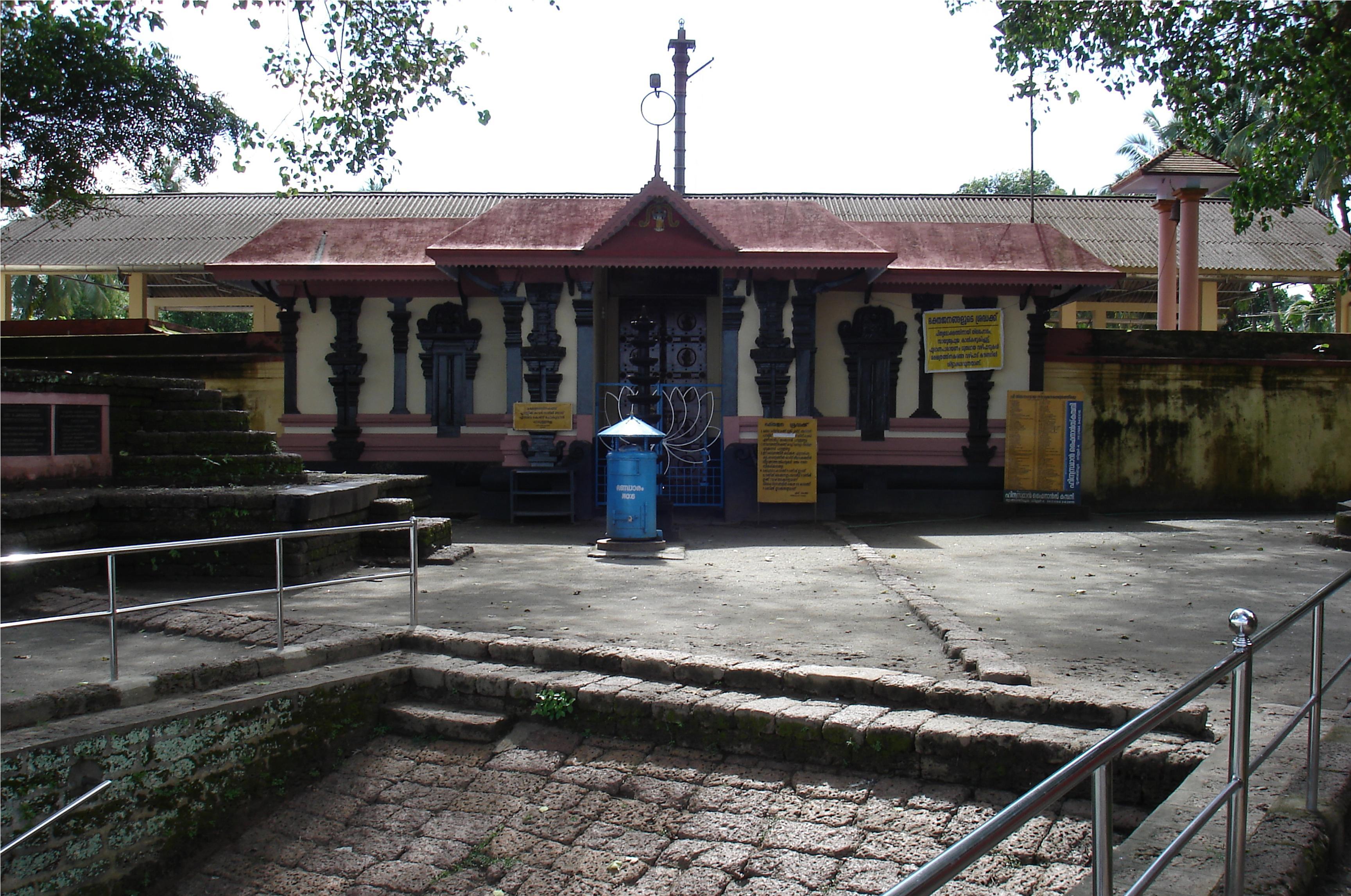
- All ritual pooja items provided by the temple at the ticket counter — charge of approximately ₹100–₹200
- Devotees take a dip in the Bharatappuzha (wearing mundu/dhoti) before the ritual — male devotees perform the ritual in wet mundu
- Temple priests conduct the Sankalpa and guide the full Tharpanam sequence
- Special arrangements for those wishing to perform rituals on both banks (Trimurthi Sangamam format)
- After the Bali, devotees may enter the temple for darshan of Navamukunda — the ritual sequence culminates with deity darshan
- Changing facilities available near the ghat
- No photography or mobile phones during the Bali Tharpanam itself — respectful observance required
The Sree Parasurama Swamy Temple at Thiruvallam — approximately 7 km south of Thiruvananthapuram city on the Thiruvananthapuram–Kovalam Bypass road — is the only temple in Kerala dedicated to Lord Parasurama, the sixth avatar of Vishnu and the legendary creator of Kerala. The temple is a protected monument under the Archaeological Department of Kerala, believed to date to the 12th–13th centuries, though the site’s sacred history is far older.
Lord Parasurama’s connection to Vavu Bali is direct and profound: Kerala’s most beloved legend holds that Adi Shankaracharya — the great 8th-century philosopher-saint born in Kalady, Kerala — performed Bali for his beloved mother here after her death, in a miraculous ceremony. The site thus carries the spiritual imprint of both Parasurama (who performed Pitrukarma at this location in legend) and Shankaracharya. This layered sanctity makes Thiruvallam the premier Vavu Bali site in the entire Thiruvananthapuram district.
The Travancore Devaswom Board (TDB) makes the most elaborate arrangements here of any Vavu Bali site: two major Bali Tharpanam points inside the temple complex, more than 25 expert priests, and rituals beginning at the extraordinary hour of 2:30 AM on Vavu day to accommodate the enormous demand.
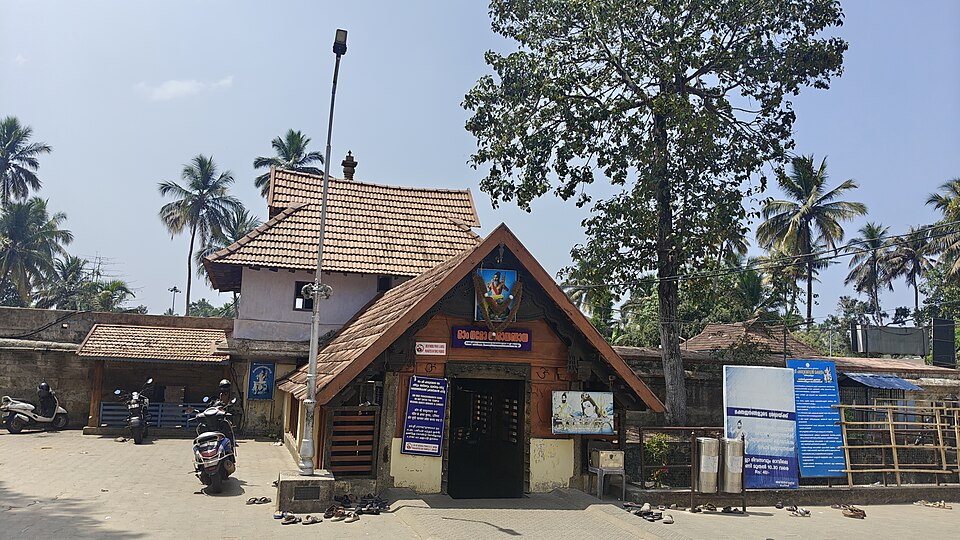
- Two separate Bali Tharpanam points arranged inside the temple complex to handle the massive crowds
- 25+ expert Vedic priests stationed to conduct and guide the rituals for each family group
- Rituals begin at 2:30 AM on Vavu day (August 12, 2026) — the earliest start of any major venue
- Thila Homam and full Pitru Puja conducted according to Vedic protocol under TDB arrangement
- Pooja kits (darbha, sesame, rice, banana leaf etc.) available at the temple counter
- KSRTC special buses from Thiruvananthapuram Central Bus Station from midnight onwards
- Complete medical camp, police presence and crowd management by TDB and district administration
If any single site in Kerala can be called the most spiritually significant for Karkidaka Vavu Bali, it is Thirunelli. Known as the “Kashi of the South,” Thirunelli is described in Hindu tradition as the only temple on earth where devotees can perform all rituals from birth to life after death — and uniquely, where performing Pitrukarma is believed to guarantee moksha (liberation) for the ancestor being remembered.
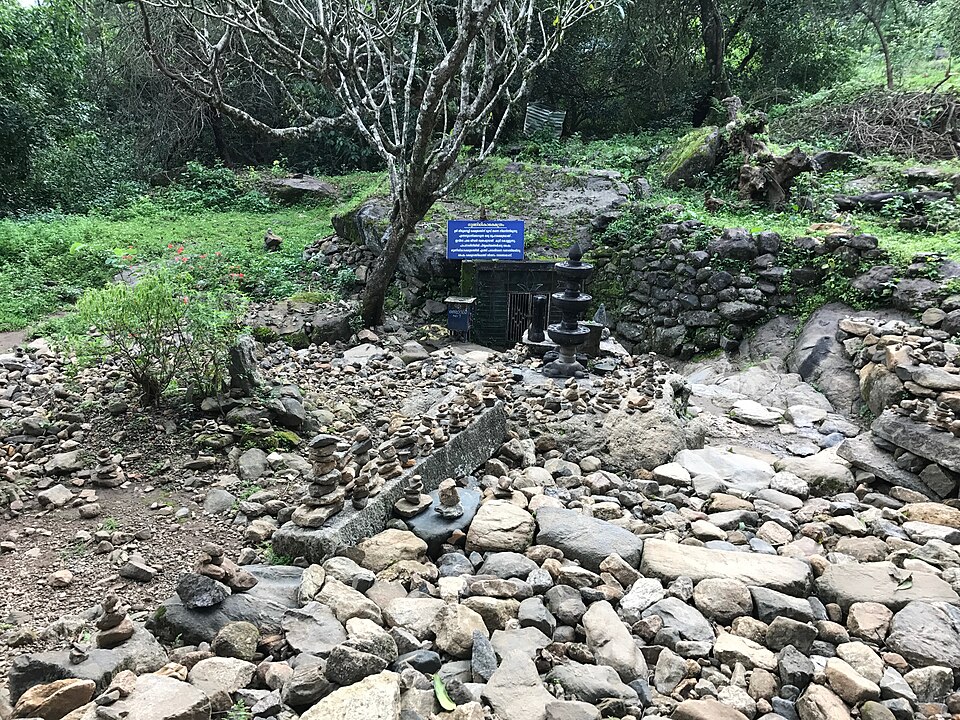
The Papanasini stream — originating from the heart of the Brahmagiri hills at 890 metres altitude and flowing past the temple — is the sacred water body for the ritual. Its name means literally “destroyer of sins.” Within the Papanasini is the sacred Pinnappara rock — a flat stone in the stream on which Bali offerings are placed. Ancient tradition holds that both Lord Rama and Lord Parasurama performed Pitrukarma here. The temple itself sits at the confluence of the divine presences of Vishnu, Shiva and Brahma (with the Gunnika cave Shiva temple to the west and a Brahma connection at the Padma Theertham pond nearby), making Thirunelli another Trimurthi sacred space.
Thirunelli’s remote location — 32 km from Mananthavady town, deep in the forest — means that devotees must plan carefully, as roads can be congested on Vavu day and accommodation is limited.
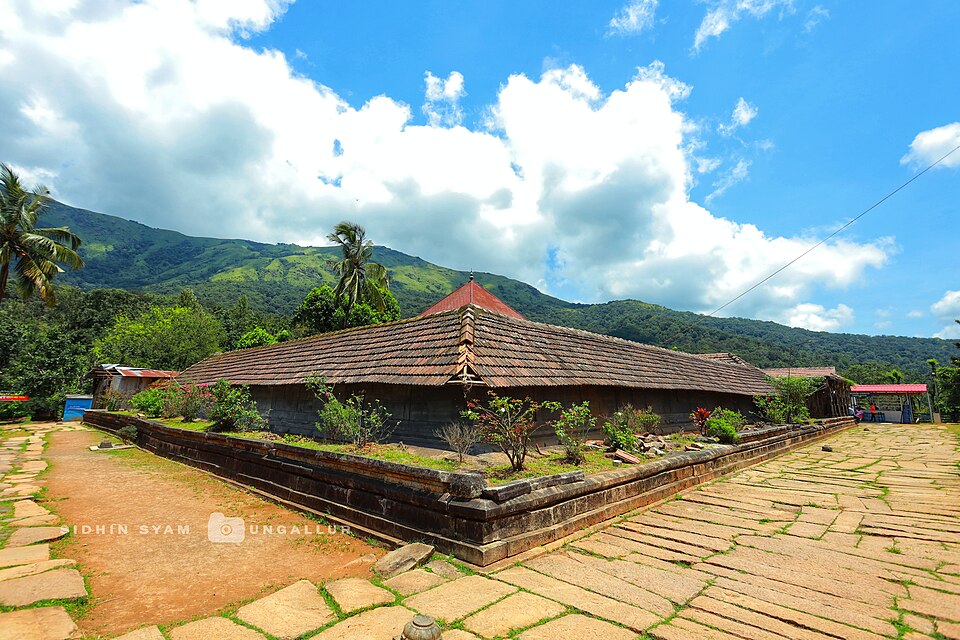
- Bali Tharpanam performed on the sacred Pinnappara rock within the Papanasini stream — devotees wade into the cold stream water
- Ritual begins with a sacred bath in the Papanasini — the water is cold, clean and mountain-pure even in monsoon
- Temple priests guide the full Bali Tharpanam sequence at the Pinnappara rock
- After completing Pitrukarma at the Papanasini, devotees visit the Padma Theertham sacred pond and the Gunnika Shiva cave temple
- Temple darshan of the Mahavishnu idol is performed after the Pitrukarma
- Bring all ritual items from home — supplies at Thirunelli are limited especially on Vavu day
- Basic accommodation at the Thirunelli Agraharam (Yatri Nivas) — address: Yatri Nivas Road, Thirunelli Temple Post, Mananthavady, Wayanad — 670646. Book well in advance for Vavu day.
- Kerala Forest Department (Brahmagiri Wildlife Sanctuary) requirements apply for entry to the area
Varkala Papanasam Beach is the most sacred seashore site for Karkidaka Vavu Bali in Kerala, and the second most visited location after Thiruvallam in the Thiruvananthapuram region. The beach takes its name from the Sanskrit Papa Nasam — destroyer of sins — reflecting its ancient sanctity as a sacred bathing site.
Varkala is famous for the Janardhana Swamy Temple at the cliff-top, believed to be over 2,000 years old and one of the oldest Vishnu temples in Kerala. The combination of the sacred Vishnu temple above and the sin-destroying sea below gives Varkala a spiritual potency unique among Kerala’s coastal sacred sites. Performing Bali Tharpanam in the Papanasam waters with the Janardhana temple overlooking the sea is considered highly auspicious.
The TDB arranges for the Bali Tharpanam to begin at 10:25 PM on the night of August 11 (the night before Vavu day proper), to allow the hundreds of thousands of devotees to complete the ritual. By morning, the beach is completely thronged. The TDB stations 25 expert priests at the beach to guide devotees.
- Bali Tharpanam begins at 10:25 PM on August 11 (the night before Vavu), continuing through the night and all day August 12
- 25 expert priests stationed at the beach by the TDB to guide devotees through the ritual sequence
- Large pandals erected on the beach above the high-tide line
- Pooja kits available at TDB counters near the beach access points
- The Bali is performed in the sea — devotees wade into the waves. Sea safety teams from the TDB and district administration are on duty throughout
- Important: Check daily weather and sea conditions before August 12 — the IMD frequently issues rough sea warnings during Karkidakam. Bathing restrictions at Shangumugham beach (Thiruvananthapuram) are sometimes imposed due to high tides; Varkala generally safer but check local advisories
- After the beach ritual, devotees visit the Janardhana Swamy Temple at the cliff top
Other Important Sites
Other Important Vavu Bali Sites Across Kerala
Beyond the five major sites above, Karkidaka Vavu Bali is performed at scores of locations across Kerala. Many districts have their own important local sites with established ritual traditions. The table below lists the most significant:
| Location | District | Sacred Water Body | Notable Feature |
|---|---|---|---|
| Shangumugham Beach | Thiruvananthapuram | Arabian Sea | Major city beach; check IMD sea safety warnings before Vavu day as restrictions are sometimes imposed |
| Aruvikkara (Devi Temple) | Thiruvananthapuram | Karamana River | Sacred Devi temple on river banks; moderate crowds; accessible from city |
| Payyambalam Beach | Kannur | Arabian Sea | North Kerala’s premier Vavu Bali coastal site; large gathering from Kannur district and Kasargod |
| Thalassery Beach | Kannur | Arabian Sea | Major coastal gathering; Thalassery Port area; accessible from Kannur town |
| Ponnani Beach | Malappuram | Bharatappuzha meets Arabian Sea | Sacred estuary where the Bharatappuzha (Nila river) meets the sea; considered very powerful for Pitrukarma |
| Thiruvanchikulam Mahadeva Temple | Thrissur | Periyar river tributary | Ancient Shiva temple; sacred bathing ghat; significant gathering from Thrissur district |
| Bharatappuzha — Thrissur Ghats | Thrissur | Bharatappuzha | Multiple ghats along the Bharatappuzha in Thrissur; significant gathering from central Kerala |
| Kozhikode Beach (Valiyangadi) | Kozhikode | Arabian Sea | Major north Kerala coastal site; organised by local temple committees with priests and facilities |
| Bekal Fort Beach Area | Kasargod | Arabian Sea | Sacred sea at the foot of Bekal Fort; significant gathering from Kasargod district |
| Ambalappuzha Sree Krishna Temple | Alappuzha | Vembanad Lake & backwaters | Ancient Vishnu temple with backwater ritual bathing; moderate crowds; unique backwater setting |
| Sabarimala (Pamba River) | Pathanamthitta | Pamba River | Sacred Pamba (Dakshina Ganga) at Sabarimala foothills; significant for those on pilgrimage |
| Trivikramangalam | Thrissur | Bharatappuzha tributary | Ancient Vishnu temple with established Pitrukarma tradition; moderate crowds |
| Edappal Juma Masjid area / Tirur beaches | Malappuram | Arabian Sea coast | Various coastal locations for Hindu devotees in coastal Malappuram |
Karkidaka Vavu Bali can be performed at any flowing river, sacred tank or seashore near your home if reaching a major site is not possible. The ritual’s spiritual efficacy depends primarily on sincere intention (Sankalpa), correct procedure and devout attention — not exclusively on location. Many Kerala families perform Vavu Bali at the nearest river to their home with a local priest, and this is entirely valid according to the tradition.
What distinguishes the major sites listed above is primarily their accumulated ritual sanctity (Kshetra Mahima) — the belief that centuries of devoted Pitrukarma performed at these locations creates a concentrated spiritual field that amplifies the efficacy of the ritual.
Practical Tips
Practical Tips for Karkidaka Vavu Bali (2026 edition)
Travel & Logistics
- Start journey before midnight on August 11: Major sites like Thiruvallam begin at 2:30 AM, Aluva at 4:00 AM, and Varkala at 10:25 PM the previous night. Roads become extremely congested from 2 AM onwards.
- Use public transport: Private vehicle parking is severely restricted at all major sites on Vavu day. Special KSRTC buses and, in Ernakulam, Kochi Metro early services are arranged. Book train tickets to Thirunavaya or Varkala Sivagiri in advance.
- For Thirunelli: Plan an overnight stay in Mananthavady or at the Thirunelli Agraharam. Do not attempt same-day travel from distant cities — roads to Thirunelli are narrow and heavily used on Vavu day.
- Carry cash: Most ritual venues do not accept digital payments. Keep small-denomination notes for pooja kits, dakshina and miscellaneous expenses.
- Wear appropriate clothing: Simple white or black mundu for men; simple cotton saree for women. Avoid flashy or impractical clothing — you will be wading into water.
Safety & Health
- Sea safety: August is peak monsoon season. Check IMD weather warnings before going to coastal sites (Varkala, Payyambalam, Shangumugham, Kozhikode). Rough seas may make some beaches unsafe. Shangumugham beach in particular sometimes has bathing restrictions on Vavu day.
- River safety: Rivers like the Periyar (Aluva) and Bharatappuzha (Thirunavaya) may have swift currents during monsoon. Stay within the designated bathing areas marked by the authorities. Do not wade beyond the safety lines.
- Medical camps: All major venues have medical camps. Know their location on arrival. Those with heart conditions or physical limitations should consult their doctor before the early-morning ritual.
- Hydration: The person performing Bali fasts and wakes before dawn. Carry water (for drinking, not ritual use) to avoid dehydration, especially if ritual extends into the warmer morning hours.
Environmental Responsibility
- Kerala observes the Green Protocol at all major Vavu Bali sites. Use only biodegradable items (banana leaf, natural flowers, clay vessels) — no plastic bags, synthetic garlands or thermocol.
- All ritual offerings — rice balls, sesame, flowers — are naturally biodegradable and do not harm the river or sea ecosystem.
- Do not bring plastic water bottles into the ritual area. Use the water available at the ghat or carry a reusable vessel.
- Dispose of waste properly — bins are placed at all major venues by civic authorities.
Common Questions
Frequently Asked Questions — Karkidaka Vavu Bali (2026 edition)
Cultural Significance
Cultural & Spiritual Significance of Karkidaka Vavu Bali
Karkidaka Vavu Bali is far more than a religious obligation. In Kerala’s cultural life, it is one of the most powerful expressions of the belief that death does not sever the bond between the generations. The extraordinary sight of millions of people — from all walks of life, from all corners of the state — rising before dawn in the heart of the monsoon season, travelling through rain and darkness to stand knee-deep in rivers and seas at daybreak, is a testament to the depth of the ancestral bond in Kerala culture.
The ritual is naturally eco-friendly — every item used (sesame, rice, banana leaf, tulsi, flowers, darbha) is biodegradable and organically sourced. There are no synthetic materials, no plastic, no excess. The simplicity of the ritual — water, sesame, rice, devotion — places it at the most fundamental intersection of human and natural cycles.
For many Kerala families, Karkidaka Vavu Bali is also the day when family unity is most powerfully expressed. Adult children return from cities, from other states, from other countries, to perform the ritual together for their parents and grandparents. The pre-dawn journey, the shared ritual, the remembrance of those gone — it is an annual renewal of the family’s connection both to its own history and to the larger cycle of life and death that no generation escapes.
While Karkidaka Vavu Bali is the most auspicious, Bali Tharpanam can also be performed on the Amavasya of other Malayalam months. The Thirunavaya temple, for example, also performs Vavu Bali on the Amavasya of Thulam (October–November) and Kumbham (February–March) months. Thirunelli also receives devotees for Pitrukarma on these Amavasya days. Additionally, Bali is traditionally performed on the nakshatra (birth star) day of the anniversary of a person’s death — not only on Amavasya.